Squalane vs Rosehip Oil
One is a fuss-free everyday seal; the other is an active-packed treatment oil. Here's the honest comparison and how to pick — or use both.
We may earn a commission if you buy through our links, at no extra cost to you. Prices are pulled live from Amazon and can change. How this works.
Squalane and rosehip oil get compared constantly because both are plant-derived facial oils with loyal followings — but they're really built for two different jobs. Rosehip oil is an active-rich treatment oil, carrying linoleic acid, vitamins A and C, and antioxidants that people reach for when they care about tone and aging appearance. Squalane is a single, ultra-light, ultra-stable molecule that hydrates and seals without any drama and suits nearly everyone. Neither is 'better' in a vacuum; they solve different problems.
The quick answer: if you want a low-maintenance everyday oil that absorbs weightlessly, never turns on your shelf, and works on almost any skin type, choose squalane. If you specifically want an oil loaded with actives to support the look of uneven tone, scarring, or fine lines, rosehip earns its place — as long as you accept that it's more finicky to store and has a natural scent. Plenty of people happily use both: rosehip as a treatment step, squalane as the light seal on top.
Squalane vs rosehip oil at a glance
What each oil actually is
Squalane starts life as squalene — a lipid your own skin makes as part of sebum. Squalene oxidizes quickly, so it's unstable in a bottle. Hydrogenating it (saturating its chemical bonds) turns it into squalane: the same skin-friendly molecule, made shelf-stable and even lighter. It's a single, refined ingredient with no actives beyond its own emollient and antioxidant properties. We go deeper in what is squalane?.
Rosehip oil is a true botanical oil, cold-pressed from the seeds inside the fruit (the 'hips') of wild rose bushes. Unlike squalane, it's a complex blend: it's high in polyunsaturated fatty acids — especially linoleic acid (an omega-6) — and it naturally carries vitamin A, vitamin C, and a range of antioxidants. That richer makeup is exactly what gives rosehip its reputation, and also what makes it less stable.
What rosehip oil does well
Rosehip's headline strength is its actives. Its linoleic acid content helps regulate sebum, which is one reason even oily and combination skin often tolerate it. Its naturally occurring vitamin A and vitamin C, plus antioxidants, are why rosehip is so often associated with a brighter-looking complexion, the softened appearance of scars and fine lines, and a general anti-aging reputation. It also has soothing, anti-inflammatory qualities that can calm the look of redness.
Two honesty notes. First, these are appearance-level associations, not medical outcomes — rosehip is not a treatment for scarring, hyperpigmentation, or a stand-in for prescription retinoids, and it won't cure a skin condition. Second, all those delicate actives are perishable. Because rosehip is polyunsaturated, it oxidizes faster than most oils, so it's best bought in a dark bottle, stored cool and out of light, and used within a few months of opening.
Where squalane pulls ahead
Squalane wins on simplicity and reliability. It's lighter than rosehip, sinks in almost instantly with a near-matte finish, and carries no scent, which makes it easier to wear under makeup and sunscreen and friendlier to sensitive or reactive skin. It's commonly rated 0–1 on the comedogenic scale, so it's very unlikely to clog pores — more on that in is squalane comedogenic?. Rosehip also tends to sit low on that scale thanks to its linoleic acid, but an oxidized bottle can become more irritating, so the risk depends on freshness in a way squalane's never does.
Then there's shelf life. Squalane's saturated structure means it can sit in a dropper for many months without oxidizing, no special storage required. That stability, plus its universal tolerance, is why squalane is the easier oil to recommend to almost anyone as a daily step.
Rule of thumb: if a rosehip oil ever smells sharp, sour, or 'off,' it has oxidized — stop using it. Squalane simply doesn't have this problem, which is a big part of why it's the lower-maintenance everyday choice.
Which should you choose?
- Choose squalane if you want the lightest possible finish, have sensitive skin, want one fragrance-free oil that suits nearly every skin type, or simply don't want to think about storage and shelf life.
- Choose rosehip if your main goal is the look of tone, scarring, or aging, and you want an oil rich in vitamins A and C and antioxidants — and you're willing to store it carefully and replace it more often.
- Either works for sealing a hydrating serum, softening dry patches, and adding comfort at the end of a routine; the daily jobs overlap more than they differ.
Our everyday squalane picks
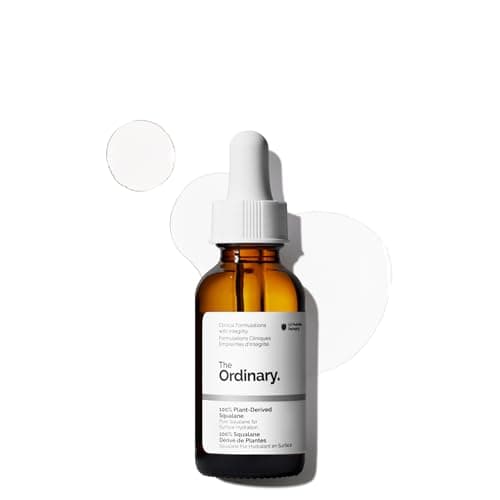
The Ordinary 100% Plant-Derived Squalane
9.2A single-ingredient, plant-derived squalane in a full 30 ml bottle at a low price, stocked almost everywhere — the default pick for most people.
Read our review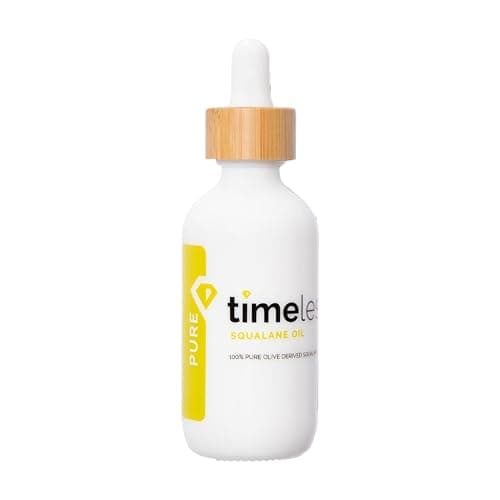
Timeless Skin Care 100% Pure Squalane
9.0A double-size, fragrance-free 100% squalane that usually lands at the lowest cost per ounce of any pick here.
Read our reviewCan you use them together?
Yes, and it's a natural pairing. Rosehip makes a good treatment oil, while squalane makes an excellent light seal — so you can apply rosehip after your water-based serums, then press squalane on top to lock everything in, or simply alternate them by season or by day and night. Either way, oils go near the end of your routine, after anything water-based. Our how to use squalane oil guide has the full step order, and if your skin runs dry, squalane for dry skin covers layering in more detail. As always, patch-test a new oil first, and if you're managing a specific skin condition, check with a doctor or dermatologist.
Sources
Frequently asked questions
Is squalane or rosehip oil better?
Neither is universally better; they do different jobs. Squalane is a lighter, fragrance-free, ultra-stable everyday oil that suits almost any skin type. Rosehip is an active-rich treatment oil for the look of tone, scarring, and aging, but it oxidizes faster and needs careful storage. Pick based on your goal, or use both.
Does rosehip oil clog pores?
For most people it sits low on the comedogenic scale, largely because of its linoleic acid content, and it's often considered friendly to oily and combination skin. That said, oxidized rosehip can be more irritating, so freshness matters. Squalane is commonly rated 0 to 1 and is the lower-maintenance option for clog-prone skin.
Can you use squalane and rosehip oil together?
Yes. A common approach is to use rosehip as a treatment step after your serums, then seal with squalane on top, or to alternate them between morning and night. Apply both near the end of your routine, after water-based products, and patch-test first.
Why does rosehip oil need to be stored in the dark?
Rosehip is high in polyunsaturated fats, which oxidize relatively quickly when exposed to light, heat, and air. Storing it cool and dark in a tinted bottle and using it within a few months helps protect its actives. Squalane is saturated and far more stable, so it does not need this care.
Keep reading
Ready to pick a squalane oil?
See our ranked squalane oil picks, each with a live price, cost per ounce, and who it suits.
See the best squalane oils