Squalane vs Olive Oil
One is a pantry staple people reach for on a whim; the other is refined for skin. Here's why that difference matters on your face.
We may earn a commission if you buy through our links, at no extra cost to you. Prices are pulled live from Amazon and can change. How this works.
Reaching for olive oil as a skincare oil is a long tradition, and it isn't a crazy idea: it's rich in antioxidants and can soften dry skin. But olive oil and squalane behave quite differently on the face. Olive oil is a heavy, oleic-acid-dominant oil that some skin tolerates beautifully and other skin does not. Squalane is a single, ultra-light molecule refined specifically for skin, and it sits at the friendly end of the comedogenic scale. For most faces, that makes squalane the safer everyday pick.
The quick answer: if your skin is very dry and you already know olive oil agrees with it, it can work as a body or overnight oil. But if your skin is oily, acne-prone, or simply unpredictable, squalane is the lower-risk choice — lighter, fragrance-free, more shelf-stable, and far less likely to clog pores.
Squalane vs olive oil at a glance
What olive oil does well — and its catch
Olive oil brings real antioxidants to the table. Its polyphenols and vitamin E can help protect skin from the kind of oxidative stress linked to premature aging, and as a rich emollient it genuinely softens dry, rough patches. On the body, or as an occasional overnight treatment for parched skin, it can feel lovely.
The catch is what makes it rich: olive oil is high in oleic acid. Dermatology references note that oleic acid can be comedogenic for some people and, in higher-oleic oils, may even disrupt the skin barrier rather than support it. That's why oils low in oleic and higher in linoleic acid tend to suit the face better. Quality matters too — cosmetic results come from high-grade oil, while cheap kitchen oil can carry additives that irritate. None of this makes olive oil bad; it makes it a heavier, higher-variability choice for facial skin.
Where squalane pulls ahead
Squalane starts as squalene, a lipid your own skin makes, then gets hydrogenated into a stable, saturated molecule — the reason it's light, fragrance-free, and long-lasting in the bottle. Because it's a single refined ingredient rather than a whole botanical oil, there's far less to react to. It's commonly rated 0–1 on the comedogenic scale, so it's very unlikely to clog pores; see is squalane comedogenic? for what that rating really means, and what is squalane? for the full background.
Squalane also wins on feel and versatility. It disappears in under a minute with a soft, near-matte finish, layers cleanly under sunscreen and makeup, and suits oily and acne-prone skin — exactly the skin types olive oil can overwhelm. It's the oil you can hand to almost anyone with confidence.
Buyer-first verdict: olive oil is fine on the body or on very dry skin that already loves it. But for the face — and especially for oily or breakout-prone skin — squalane is the lighter, lower-risk, more predictable oil.
Which should you choose?
- Choose squalane if you want a weightless, fragrance-free oil for the face, have oily or acne-prone skin, or want one low-comedogenic oil that works for nearly everyone.
- Choose olive oil if your skin is very dry, you're treating the body, and you already know it agrees with you — using a high-quality, cosmetic-grade oil.
- A middle path: many people keep squalane for the face and reserve richer oils for the body or the driest winter days.
Our squalane picks
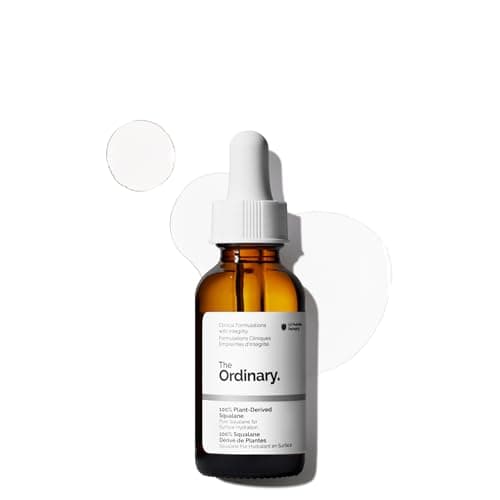
The Ordinary 100% Plant-Derived Squalane
9.2A single-ingredient, plant-derived squalane in a full 30 ml bottle at a low price, stocked almost everywhere — the default pick for most people.
Read our review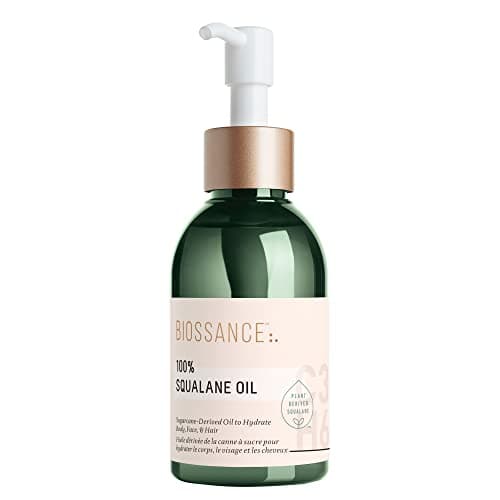
Biossance 100% Squalane Oil
8.8A sustainably sourced, sugarcane-derived squalane in a larger bottle — the polished pick if you want brand pedigree and a bigger size.
Read our reviewHow to use squalane on the face
Squalane goes near the end of your routine, after water-based serums and before or mixed into moisturizer. A few drops is plenty. Our how to use squalane oil guide walks through morning and night, and squalane for dry skin covers sealing in moisture if dryness is your main concern. Patch-test any new oil, and check with a doctor or dermatologist if you're managing a skin condition.
Sources
Frequently asked questions
Is olive oil or squalane better for your face?
For most faces, squalane. It's lighter, fragrance-free, more shelf-stable, and commonly rated 0 to 1 on the comedogenic scale, whereas olive oil is heavier and its high oleic acid content can clog pores or feel greasy for some skin. Olive oil suits very dry skin and the body better than the face.
Is olive oil comedogenic?
Olive oil is higher risk than squalane. It's rich in oleic acid, which dermatology references note can be comedogenic for some people and may disrupt the skin barrier in higher-oleic oils. If you're prone to congestion, squalane is the safer choice.
Can I use olive oil as a moisturizer?
You can, especially on the body or on very dry skin that tolerates it, using a high-quality cosmetic-grade oil. It's a rich, antioxidant emollient. For the face, a lighter, non-comedogenic option like squalane is usually the smarter everyday pick.
Is squalane made from olives?
It can be. Modern squalane is plant-derived, most often from fermented sugarcane, but olive-derived squalane also exists. Either way it's the refined, hydrogenated molecule, not whole olive oil, so it behaves very differently on skin.
Keep reading
Ready to pick a squalane oil?
See our ranked squalane oil picks, each with a live price, cost per ounce, and who it suits.
See the best squalane oils