The Ordinary Squalane vs Glucoside vs Glycolipid Cleanser
The Ordinary sells three gentle cleansers and most buying advice ranks them on texture. We rank them on what is left on your face afterward — because only one of the three has squalane in it at all.
We may earn a commission if you buy through our links, at no extra cost to you. Prices are pulled live from Amazon and can change. How this works.
If you came to The Ordinary for the Squalane Cleanser and then found two cheaper cleansers sitting next to it on the same shelf, this is the page for that moment. The three are the Squalane Cleanser, a balm that melts to a milk; the Glucoside Foaming Cleanser, a conventional foaming wash; and the Glycolipid Cream Cleanser, a cream-to-foam in between. They all cost under twenty-five dollars, they all come in the same two sizes, and the brand describes all three as gentle.
Quick answer. Buy the Squalane Cleanser if you wear makeup or sunscreen and your skin runs normal to dry — it is the only one of the three that dissolves rather than emulsifies, and the only one that leaves squalane behind. Buy the Glucoside Foaming Cleanser if your skin runs oily, or if you want a morning wash and a second cleanse — it is eight ingredients long and leaves nothing on your face at all. Buy the Glycolipid Cream Cleanser if you want makeup removal without either a balm texture or a foam. If you want one bottle and you are not sure, the balm is the one that does the most jobs.
The single fact that organizes this page: the Glucoside Foaming Cleanser and the Glycolipid Cream Cleanser contain no squalane. Not a little, not further down the list — none. Every ingredient list quoted below comes from The Ordinary's own US product pages, checked on 2026-11-02.
The criterion: what gets left behind, not how it feels
Almost every comparison of these three ranks them on texture, which is a real thing people care about and a terrible way to decide. Texture is a preference you discover in a week. What a cleanser leaves on your skin is a property of the formula, and it determines what the rest of your routine has to do.
A cleanser can take the oil off your face in one of two ways. It can use a surfactant — a molecule with a water-loving end and an oil-loving end that lifts oil into the rinse water and carries it down the drain. Or it can use more oil, on the principle that like dissolves like: the oil on the face blends into the oil in the product, and the whole mixture comes off together. The first route is the foaming wash. The second route is the balm. The cream cleanser is a surfactant route wearing a cream's clothes.
That is why the squalane matters here and not just as branding. In the balm, squalane is doing the cleansing — it is the solvent that dissolves foundation, mascara and water-resistant sunscreen — and because it is an emollient your skin does not mind, a residual film of it is a feature rather than a problem. In the other two, there is nothing to leave a film. The American Academy of Dermatology's face-washing guidance is blunt about the end state you want: a cleanser should leave skin feeling clean without feeling tight. The balm gets there by leaving something; the foaming wash gets there by taking very little away in the first place.
The three, at a glance
The Squalane Cleanser: the only one with squalane in it
The brand calls it "an oil-free cleansing balm" and names four key ingredients: squalane, sucrose stearate, ethyl macadamiate and sucrose laurate. That combination is worth unpacking, because it explains the texture everyone comments on. Squalane and ethyl macadamiate are the oily part. The two sucrose esters are sugar-derived emulsifiers, and they are the reason a solid balm turns milky when you add water instead of staying a slick you have to wipe off. The brand lists pH 5.50 to 6.50, describes the formula as non-comedogenic and soap-free, and the product carries the National Eczema Association Seal of Acceptance.
"Oil-free" on a balm that is visibly oily is a labeling convention, not a contradiction. Squalane is technically a saturated hydrocarbon rather than a triglyceride, which is why it can be excluded from an oil-free claim; we work through that distinction in is squalane an oil?. What matters practically is that it behaves as an oil for cleansing purposes, and it is unusually good at the job: it dissolves silicone-heavy foundation and mineral sunscreen that a foaming wash will slide straight over.
The honest cons. It is the most expensive of the three. The balm-to-milk texture divides people — a solid tub you scoop from is a different morning than a pump. It needs a proper rinse or a damp cloth, because emulsifiers or not, a thin film is the design intent, and if you do not get the film down to a film you get a slick. And if you specifically want a foaming face wash, no amount of explanation will make this one foam. Our full write-up is in the Ordinary Squalane Cleanser review.
The Glucoside Foaming Cleanser: eight ingredients, nothing left behind
This is the shortest formula of any cleanser on this site, and the brand publishes it in full: aqua (water), decyl glucoside, coco glucoside, xanthan gum, tocopherol, phytic acid, benzyl alcohol, ethylhexylglycerin. Eight ingredients. Two of them do the cleaning, one thickens, one is vitamin E, one is a chelator, and two are the preservative system.
Decyl glucoside and coco glucoside are non-ionic sugar surfactants — the mild end of the surfactant range, structurally a long way from the sulfates that gave foaming cleansers their reputation. The brand lists pH 5.0 to 6.0, which sits inside the range healthy skin sits at, and that is not a trivial detail: an alkaline cleanser leaves the surface at a pH it then has to work its way back down from. The product carries the NEA Seal of Acceptance, and The Ordinary states on the page that it is "clinically proven, to be suitable for babies" — the brand's claim, quoted as the brand's claim.
What it does not do is condition. There is no squalane, no oil, no emollient of any kind in those eight ingredients. That is a deliberate design: it takes oil off and goes down the drain. If your skin is oily, that is close to ideal and you will like this more than the balm. If your skin is dry, you are relying entirely on whatever you apply next, which is a perfectly reasonable routine — see squalane on damp skin for the two-minute window that makes it work.
The honest cons. It will not take off a full face of long-wear makeup or a water-resistant sunscreen on its own — surfactants are not solvents, and this one is a mild surfactant. Foaming textures still read as tight on genuinely dry skin even at the right pH. And if you are here because of squalane, there is none in it.
The Glycolipid Cream Cleanser: the middle option with a longer list
The Ordinary positions this one explicitly for makeup: it "effectively cleanses the skin and removes makeup such as foundation, eyeliner, and mascara," using a plant-derived glycolipid cleansing agent. The full published list runs to sixteen ingredients: aqua (water), behenyl alcohol, polyglyceryl-2 stearate, glycolipids, pentylene glycol, polyglyceryl-6 dicaprate, glyceryl stearate, stearyl alcohol, diutan gum, polyacrylate crosspolymer-6, sodium phytate, phytic acid, trisodium ethylenediamine disuccinate, sodium benzoate, phenoxyethanol, chlorphenesin.
Behenyl alcohol and stearyl alcohol are fatty alcohols — thickeners and emollients, not the drying kind of alcohol — and they are what makes this a cream rather than a gel. The glycolipid is the cleansing agent. It rinses without a cloth, which is the practical advantage over the balm, and it feels gentler going on than a foam, which is the advantage over the glucoside wash. For a lot of people that middle position is exactly right.
Two honest cautions. First, no squalane, same as the foaming wash. Second, and more specific: this formula contains several esters — polyglyceryl-2 stearate, glyceryl stearate, polyglyceryl-6 dicaprate. If you screen your products for *Malassezia* because you manage fungal acne or seborrheic dermatitis, those are the ingredients your screen will flag, and a rinse-off is lower risk than a leave-on but not zero. The glucoside wash has nothing of the sort on its eight-item list, and the balm is the one of the three we would send a fungal-acne reader to for removal duty. The brand also publishes no pH figure for this one, only that it is formulated to be non-stripping.
Which one, by skin type
- Dry or dehydrated skin: the Squalane Cleanser. It is the only one that leaves an emollient behind, and the one least likely to leave that tight feeling. Squalane for dry skin covers the rest of the routine.
- Oily skin: the Glucoside Foaming Cleanser. Eight ingredients, no residue, rinses completely, and the format oily skin actually enjoys using twice a day. See squalane for oily skin for why a light oil afterward is still worth it.
- Combination skin: the Glycolipid Cream Cleanser, or the balm at night and the foam in the morning. The cream is the single-bottle answer if you want one.
- Sensitive or eczema-prone: all three carry the NEA Seal of Acceptance, so pick on format. The glucoside wash's eight-ingredient list is the smallest number of things to react to; the balm is the least stripping. Best squalane for sensitive skin ranks the wider catalog on the same logic.
- Fungal-acne-prone: the balm or the foaming wash, not the cream. The cream's polyglyceryl and glyceryl esters are what a Malassezia screen flags.
- Acne-prone generally: any of the three. Contact time is the reason — a cleanser is on your face for under a minute, which is the argument we make at length in is a squalane cleanser good for acne-prone skin?
The answer most people actually want: both
The comparison is framed as a choice because retail shelves are framed as a choice, but the squalane balm and the glucoside wash are not really competitors. They are the two halves of a double cleanse, and they are unusually well matched for it: the balm dissolves makeup and sunscreen, the foaming wash takes the balm's residue and the day's sweat off after it, and between them they cost less than one mid-market cleansing oil.
If you are going to own two cleansers, own those two rather than the balm and the cream — the cream overlaps the balm's job without the squalane, and overlaps the foam's job with twice the ingredient count. And if you are going to own one, own the balm, because it is the only one of the three that can handle a full face of makeup by itself.
Cost, honestly
All three come in a 50 ml mini and a 150 ml full size, and the squalane balm adds a 240 ml supersize that the other two do not have. Whichever size you compare, the balm is the most expensive of the three; the glucoside and glycolipid cleansers sit close together in a clearly lower bracket. One practical wrinkle as of November 2026: Amazon's 150 ml listing for the balm went unavailable, so the buy button below points at the 240 ml supersize while the other two are the 150 ml tubes — read the cost per ounce rather than the sticker if you are comparing them. Live prices are on the buy buttons below and in best squalane cleanser — we do not print prices in prose, because a cleanser price that was true when this was written is not a number you should be planning around.
What is worth saying about cost is a cost-per-use point rather than a price point. A balm cleanser is used in a smaller quantity than a foaming one — a fingertip scoop against a coin of gel — so the price gap at checkout overstates the gap in use. It does not close it. The foaming wash is still the cheaper cleanse, and if budget is the deciding factor it is a good cleanser and not a compromise.
The verdict
The Squalane Cleanser wins on this site's criterion and would have to, because the criterion is what is left behind and it is the only one of the three with squalane in it. That is not a rigged test — it is the reason to prefer it. A cleanse that dissolves makeup with an emollient your skin reads as its own, and leaves a trace of that emollient on the way out, asks less of the next step than a cleanse that strips to neutral.
But the Glucoside Foaming Cleanser is the better-engineered product in a narrow sense, and we are not going to pretend otherwise: eight ingredients, correct pH, mild non-ionic surfactants, an NEA seal, and the lowest price of the three. If your skin is oily, buy it and buy a squalane oil separately — that combination costs less than the balm and does both jobs better than the balm does either. The Glycolipid Cream Cleanser is the one we would skip, not because it is bad but because it is the only one of the three whose job is already covered by one of the other two.
All three, with live prices
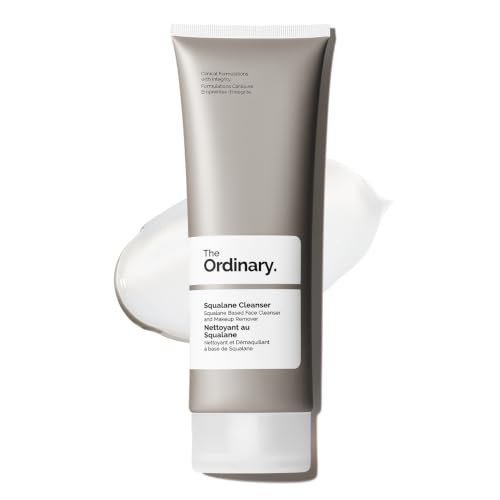
The Ordinary Squalane Cleanser
8.9A squalane-based melting balm cleanser that dissolves makeup and sunscreen without stripping the barrier — the standout squalane cleanser.
Read our review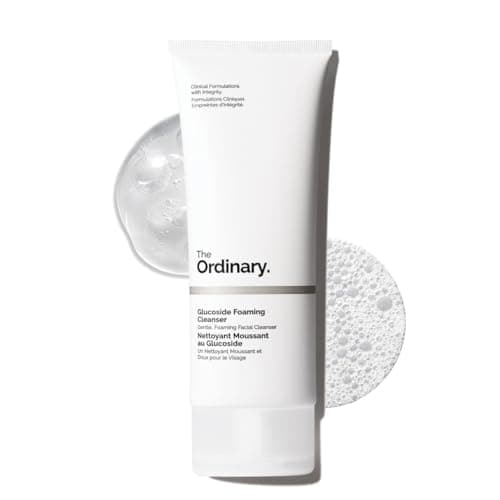
The Ordinary Glucoside Foaming Cleanser
6.7An eight-ingredient foaming wash at pH 5.0-6.0 with a National Eczema Association Seal of Acceptance — about as short and as mild as a surfactant cleanser gets. It also contains no squalane and no emollient, so it takes oil off and leaves nothing behind.
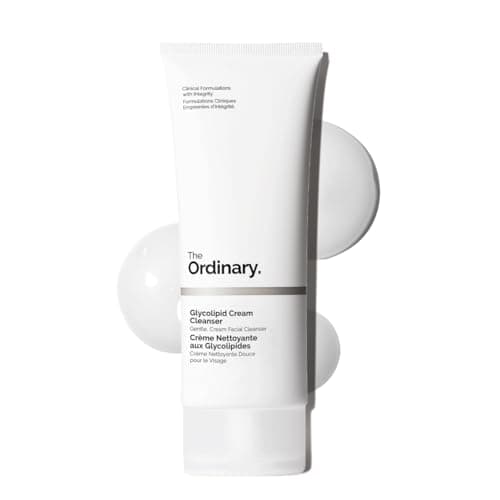
The Ordinary Glycolipid Cream Cleanser
6.4The Ordinary's cream-to-foam middle ground: a glycolipid cleansing agent in a fatty-alcohol cream that the brand positions for removing foundation, eyeliner and mascara. Gentler-feeling than the foaming wash, and still no squalane in it.
A note on the scores above, because they will look strange. This site's purity score means squalane content, so the two cleansers with no squalane in them score one out of ten on it by definition and carry a lower overall as a result. That is the measurement working, not a judgment that they are bad cleansers — read the score as "how much of this page's subject is in the bottle," and read the pros and cons for whether the product is any good.
If you want the wider field rather than one brand's range, best squalane cleanser ranks every squalane cleanser we cover, The Ordinary vs CeraVe is the head-to-head against the drugstore foaming alternative, and best squalane makeup remover ranks the removal job specifically.
Sources
- The Ordinary — Squalane Cleanser (official US product page)
- The Ordinary — Glucoside Foaming Cleanser (official US product page)
- The Ordinary — Glycolipid Cream Cleanser (official US product page)
- American Academy of Dermatology — Face Washing 101
- Cleveland Clinic — Squalane: Benefits and How To Use It
- Healthline — Squalane: Benefits, Uses, and Side Effects
Frequently asked questions
Does The Ordinary Glucoside Foaming Cleanser contain squalane?
No. The brand publishes the full list and it runs to eight ingredients: aqua, decyl glucoside, coco glucoside, xanthan gum, tocopherol, phytic acid, benzyl alcohol and ethylhexylglycerin. There is no squalane and no emollient of any kind in it. The Squalane Cleanser is the only one of The Ordinary's three gentle cleansers that contains squalane.
Is the Squalane Cleanser or the Glucoside Foaming Cleanser better?
It depends on your skin and on whether you wear makeup. The Squalane Cleanser dissolves foundation and water-resistant sunscreen and leaves an emollient film, which suits normal to dry skin and anyone removing a full face. The Glucoside Foaming Cleanser is a mild eight-ingredient surfactant wash at pH 5.0 to 6.0 that leaves nothing behind, which suits oily skin, morning cleansing and second cleansing. Many people are best served by owning both.
Can I use the Glucoside Foaming Cleanser to take off makeup?
Not on its own, for anything substantial. Glucoside surfactants lift oil into rinse water; they do not dissolve it the way an oil-based balm does, so long-wear foundation, mascara and water-resistant SPF will largely survive the wash. Use the Squalane Cleanser or the Glycolipid Cream Cleanser first, then the foaming wash as a second cleanse if you want one.
What is the difference between the Glycolipid and the Squalane Cleanser?
The Glycolipid Cream Cleanser is a water-based cream that uses a plant-derived glycolipid cleansing agent, rinses without a cloth and contains no squalane. The Squalane Cleanser is a squalane-based balm that melts to a milk, dissolves makeup and sunscreen rather than emulsifying them, and leaves a trace of squalane on the skin. Both are positioned for makeup removal; only one of them is a squalane product.
Which of The Ordinary's cleansers is fungal-acne safe?
The Glucoside Foaming Cleanser's eight-ingredient list contains nothing a Malassezia screen flags, and the Squalane Cleanser's cleansing agent is squalane, which has no ester bonds and no fatty acids for the organism to use. The Glycolipid Cream Cleanser contains polyglyceryl-2 stearate, glyceryl stearate and polyglyceryl-6 dicaprate, which a screen will flag. A rinse-off is lower risk than a leave-on in all cases, but that is the order we would put the three in.
Do all three have the same pH?
Close, where the brand publishes it. The Ordinary lists pH 5.50 to 6.50 for the Squalane Cleanser and pH 5.0 to 6.0 for the Glucoside Foaming Cleanser - both inside the mildly acidic range skin itself sits at. The brand publishes no numeric pH for the Glycolipid Cream Cleanser, saying only that it is formulated to be non-stripping.
Are all three suitable for sensitive skin?
All three carry the National Eczema Association Seal of Acceptance, which is a meaningful signal. Beyond that, the Glucoside Foaming Cleanser gives you the fewest ingredients to react to at eight, and the Squalane Cleanser is the least likely to leave skin feeling tight. Neither declares fragrance. Pick on format rather than on gentleness.
Which sizes do they come in?
All three are sold in a 50 ml mini and a 150 ml full size on the brand's own site, and the Squalane Cleanser adds a 240 ml supersize. On Amazon we link the 5.1 fl oz (150 ml) versions of the glucoside and glycolipid cleansers, and the 8.1 fl oz (240 ml) supersize of the Squalane Cleanser, because its 150 ml listing went unavailable in November 2026.
Should I buy the cream cleanser at all?
It is a decent cleanser and it is the one we would skip, for a structural reason rather than a quality one: its job is makeup removal, which the squalane balm does better and with squalane, and its texture advantage over a foam is covered by the balm as well. Buy it if you specifically want a cream that rinses without a cloth and do not care about squalane.
Keep reading
Want the whole field, not one brand?
Every squalane cleanser we cover, ranked on how high the squalane sits on the list and what the formula leaves behind, with live prices.
See the best squalane cleansers