The Best Squalane Makeup Remover
Squalane dissolves makeup and sunscreen genuinely well. What almost nobody tells you is that plain squalane oil has nothing in it to make it rinse off — so the thing you buy matters more than the ingredient does.
We may earn a commission if you buy through our links, at no extra cost to you. Prices are pulled live from Amazon and can change. How this works.
The pick is The Ordinary Squalane Cleanser, and it wins on the one criterion that decides this category: squalane is the first of its twenty ingredients, and there is no fragrance and no essential oil anywhere on the list — which matters because most of what people want a squalane remover for is eye makeup. If you want a pump-bottle oil that emulsifies into a milk and rinses off under the tap with no cloth at all, the Biossance Squalane + Antioxidant Cleansing Oil is the better mechanical answer, and we rank it second rather than first because it carries orange and lavender oils and two declared fragrance allergens. If you already own a bottle of plain squalane, read the third entry before you buy anything: it will take your makeup off, and it will not rinse.
That last point is the whole reason this page exists, so here it is before the list. Squalane removes makeup by dissolving it. Most of what sits on your face at the end of the day — foundation pigment suspended in esters and silicones, long-wear film formers, mineral and chemical sunscreen filters in their oily carriers — is oil-soluble, and water will not shift it. An oil will, because like dissolves like, and squalane is a particularly good one for the job: it is light, it spreads thin, it is colorless and odorless, and it is commonly rated 0 to 1 for comedogenicity, which is not something you can say about most plant oils people reach for instead.
But dissolving is only half of removal. Once the makeup is suspended in the oil, the oil has to leave your face, and that takes one of two things: a surfactant or emulsifier that lets water carry it away, or a cloth. A cleansing balm and a cleansing oil both contain emulsifiers — that is the difference between them and a bottle of oil. A bottle of 100% squalane contains squalane. Pour water on it and nothing happens; it beads and stays. People who try the plain-oil method and conclude squalane is greasy are usually not wrong about their experience and are mostly describing a missing second step rather than a bad ingredient.
So the criterion, in three parts, applied in this order. First, dissolving power: is there enough oil high enough on the published ingredient list to break down long-wear makeup and sunscreen in one pass? Second, rinse: does the formula emulsify with water, or does it need a warm damp cloth, or does it need a second cleanse after it? Third, eye safety, which in practice means fragrance status — the single biggest cluster of searches here is about eye makeup, and the skin around the eye is the thinnest on the body and the likeliest to sting. Cost per use is the tiebreaker rather than the criterion, because makeup removal uses several times the product a leave-on step does, and the table below computes it from today's live prices.
Why four picks and not ten. There are not ten squalane removers worth separating. The honest shape of this category is four distinct mechanisms — a squalane-first balm that melts, an emulsifying cleansing oil that rinses, a plain oil that dissolves but does not rinse, and a foaming oil cleanser that is really a second cleanse — and one example of each is more useful than three near-identical balms. Every pick below is a product we have an ingredient list for and a live availability check on, and every one has an honest reason not to buy it listed on its card.
A note on what we did and did not do. We do not run a lab and we have not measured how much foundation each of these removes. What we did was read every published ingredient list item by item, note where squalane sits and what emulsifiers sit with it, confirm each listing is currently purchasable, and rank on what the formulas can mechanically do. Where something on this page is an impression rather than a fact off a label, we say so. The prices and the cost-per-ounce figures come from the live price layer with an as-of date, never from a number typed into prose.
How we picked: we don't run a lab and we don't claim to. We read every ingredient list, compiled the published specs, and computed the cost per ounce below. See our full method.
Quick picks
Our ranked shortlist. Tap a row for the full review, or the price to buy.
| # | Product | Best for | Score | Price |
|---|---|---|---|---|
| 1 | 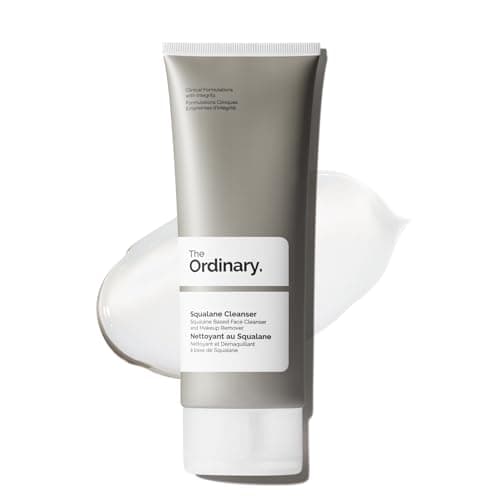 The Ordinary Squalane Cleanser A squalane-based melting balm cleanser that dissolves makeup and sunscreen without stripping the barrier — the standout squalane cleanser. | Best squalane cleanser overall | 8.9 | |
| 2 | 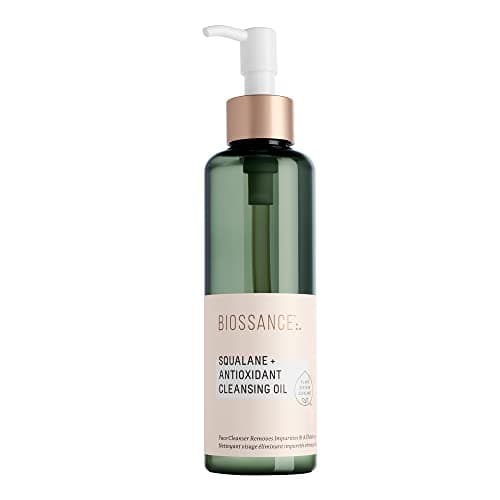 Biossance Squalane + Antioxidant Cleansing Oil The only true emulsifying cleansing oil we cover: squalane 3rd of 19, with two polyglyceryl emulsifiers so it turns milky and rinses off instead of needing a cloth — undercut by orange and lavender oils and two declared fragrance allergens. | Best rinse-off cleansing oil | 7.4 | |
| 3 | 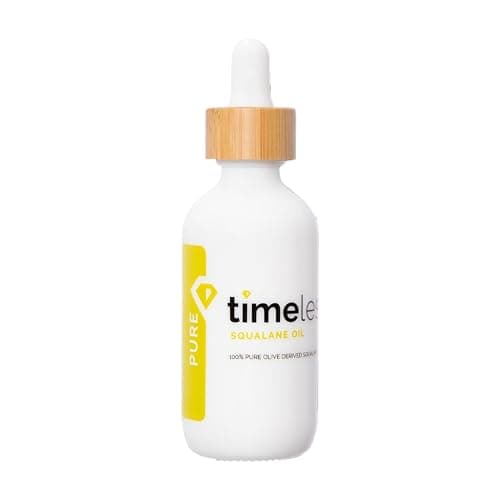 Timeless Skin Care 100% Pure Squalane A double-size, fragrance-free 100% squalane that usually lands at the lowest cost per ounce of any pick here. | Best big-bottle value | 9.0 | |
| 4 | 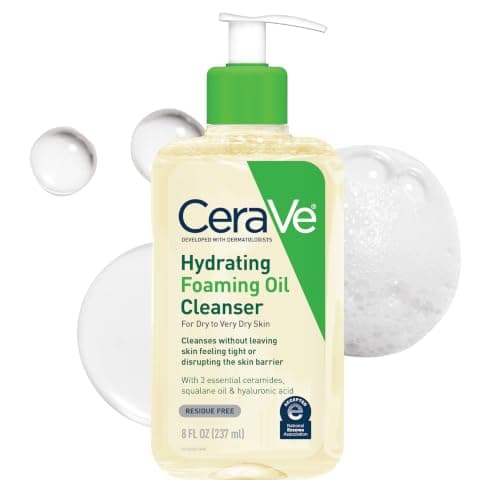 CeraVe Hydrating Foaming Oil Cleanser A drugstore foaming oil that pairs squalane with CeraVe's ceramides — the accessible, barrier-friendly foaming choice. | Best foaming option | 8.2 |
The Ordinary Squalane Cleanser
8.9A squalane-based melting balm cleanser that dissolves makeup and sunscreen without stripping the barrier — the standout squalane cleanser.
- Purity
- Squalane-forward balm-to-milk cleanser
- Source
- Squalane-based cleansing balm
- Size
- 5.1 fl oz (150 ml)
- Cost / oz
- $4.12/oz
- Best for
- Best squalane cleanser overall
What we like
- Squalane-forward, non-stripping formula
- Melts from a balm to a milk to remove makeup and SPF
- Large 150 ml tube, low cost per use
Keep in mind
- Balm texture takes a moment to get used to
- Not a foaming cleanser if that's your preference
Skip it if you dislike balm cleansers or specifically want a foaming face wash.
Price as of October 19, 2026. Prices set by Amazon and change.
#ad · How we make money
Biossance Squalane + Antioxidant Cleansing Oil
7.4The only true emulsifying cleansing oil we cover: squalane 3rd of 19, with two polyglyceryl emulsifiers so it turns milky and rinses off instead of needing a cloth — undercut by orange and lavender oils and two declared fragrance allergens.
- Purity
- Squalane 3rd of 19 ingredients
- Source
- Sugarcane-derived squalane (Biossance's house ingredient)
- Size
- 6.7 fl oz (200 ml)
- Cost / oz
- $5.07/oz
- Best for
- Best rinse-off cleansing oil
What we like
- Squalane 3rd of 19 — the highest position of any cleansing product we cover apart from The Ordinary's balm
- Two polyglyceryl emulsifiers, so it emulsifies with water and rinses clean rather than needing to be wiped off
- 6.7 fl oz — the biggest pack of the cleansing formats here, and a pump rather than a tub
- Hydrogenated farnesene behind the squalane keeps the texture thin enough to spread over a dry face
Keep in mind
- Declares limonene and linalool, plus orange, lavender, lavandin and chamomile oils — a fragranced formula, on skin you then rub around your eyes
- Noticeably more expensive per ounce than the drugstore foaming option
- The essential oils are antioxidants and perfume at the same time, so there is no fragrance-free version of this product to buy instead
- Oils oxidize: limonene and linalool are the two ingredients here most likely to sensitize as the bottle ages
Skip it if your skin or eyes react to fragrance or essential oils at all — The Ordinary's balm does the same job with nothing of the sort on its list.
Price as of October 19, 2026. Prices set by Amazon and change.
#ad · How we make money
Timeless Skin Care 100% Pure Squalane
9.0A double-size, fragrance-free 100% squalane that usually lands at the lowest cost per ounce of any pick here.
- Purity
- 100% squalane
- Source
- Plant-derived (brand states plant-based)
- Size
- 2 fl oz (60 ml)
- Cost / oz
- $8.97/oz
- Best for
- Best big-bottle value
What we like
- 2 fl oz — twice the size of most rivals
- Typically the cheapest per ounce of the bunch
- Fragrance-free, single-ingredient
Keep in mind
- Plain packaging and dropper
- Brand is less widely known than The Ordinary or Biossance
Skip it if you prefer buying a smaller bottle to keep an oil fresh, or want a recognizable label.
Price as of October 19, 2026. Prices set by Amazon and change.
#ad · How we make money
CeraVe Hydrating Foaming Oil Cleanser
8.2A drugstore foaming oil that pairs squalane with CeraVe's ceramides — the accessible, barrier-friendly foaming choice.
- Purity
- Squalane-containing foaming oil cleanser
- Source
- Squalane + ceramides in a foaming oil
- Size
- 8 fl oz (236 ml)
- Cost / oz
- $1.55/oz
- Best for
- Best foaming option
What we like
- Squalane plus three essential ceramides
- Foams yet stays hydrating, not squeaky
- Large 8 oz bottle, very low cost per use
Keep in mind
- Squalane is 9th of 33, behind the surfactant system, not the headline
- Too light for heavy makeup on its own; reviewers use it as a second cleanse
Skip it if you want a squalane-first (rather than surfactant-first) cleanser, or a one-step remover for a full face of makeup.
$15.9923% off
Price as of October 19, 2026. Prices set by Amazon and change.
#ad · How we make money
Cost per ounce, compared
Computed from the current Amazon price and the listed size. Prices as of October 19, 2026 and set by Amazon.
Buy The Ordinary Squalane Cleanser if you want one product to handle the whole job. Squalane is the first of twenty ingredients — first place is as high as an INCI position goes, and no other cleansing product we cover matches it — and the list carries no fragrance, no parfum and no essential oil, which is what makes it usable around the eyes. It arrives as a soft balm, melts to a milk on contact with wet hands, and lifts foundation and sunscreen in one pass. The honest caveats: it is a tub-and-fingers product rather than a pump, the balm texture takes a few uses to like, and it emulsifies rather than fully self-rinsing, so most people finish with a warm damp cloth. On cost per use it is excellent, because 150 ml of balm lasts a long time.
Buy the Biossance Squalane + Antioxidant Cleansing Oil if the rinse is what you care about. This is the only pick here with a dedicated emulsifier system built for the job — polyglyceryl-2 caprate second and polyglyceryl-2 sesquioleate fifth, with squalane third between them — so it turns milky under the tap and goes down the drain instead of onto a cloth. It is also the biggest pack of the cleansing formats at 6.7 fl oz, and it comes with a pump. Then read the rest of the list, because it is the reason this is second and not first: orange oil seventh, lavender oil eighth, lavandin thirteenth, chamomile fifteenth, and limonene and linalool declared at the end. Those are antioxidants and perfume at the same time, there is no fragrance-free version of this product, and limonene and linalool are the two ingredients most likely to sensitize as a bottle ages. If your eyes are at all reactive, buy The Ordinary instead.
The plain-oil method, answered properly, because it is the most-searched question in this family. Yes, you can take your makeup off with a bottle of 100% squalane — we rank Timeless Skin Care 100% Pure Squalane third for it because at 2 fl oz it is usually the cheapest per ounce of any pure squalane, and makeup removal is the single most product-hungry thing you will ever use an oil for. Warm a generous amount in dry hands, massage it over a dry face for thirty to sixty seconds, pay attention to lashes and brows, and the makeup will break up. What will not happen is the rinse. There is no emulsifier in the bottle, so plan on a warm damp cloth, or a gentle second cleanse afterwards, and decide you are fine with that before you buy. The upside is total control over the ingredient list: one ingredient, no fragrance, nothing to react to, which makes it the most sensible choice for anyone whose eyes object to everything else.
The CeraVe Hydrating Foaming Oil Cleanser is fourth and the reason is structural rather than a flaw. Squalane is ninth of thirty-three here, behind the surfactant system, and the formula is built as a face wash with oil in it rather than an oil that washes. That makes it a poor one-step remover for a full face of makeup, and we would not point anyone at it for that. What it is very good at is the step after: it is fragrance-free, it carries three real ceramides and hyaluronic acid, it is the cheapest per ounce of anything on this page by a wide margin, and 8 fl oz of it lasts for months. The standard, dermatology-endorsed way to use it is as the second half of a double cleanse — balm or oil first to dissolve, this to clear what is left — and used that way it is the most cost-effective pick here.
How to actually do it, since the method matters more than the product. Start with dry hands and a dry face: water on the skin first gets between the oil and the makeup and makes the oil work harder. Use more than feels reasonable — a dime of balm or two pumps of oil, not a smear. Massage for at least thirty seconds, which is the part people skip and the part that does the work, and spend some of it on the lash line with eyes closed rather than scrubbing at them. Then add a little water to your fingertips and keep massaging to emulsify before you rinse. Finish with a cloth or a gentle second cleanse, pat dry, and if your skin feels tight afterwards the problem is the second cleanse, not the oil. Our layering guide covers what goes on next.
Eye makeup specifically, because it is the biggest reason people search this. Squalane handles mascara and eyeliner well, including most water-resistant formulas, and it is kinder to the eye area than a scrubbing pad or a rinse-off foam. Two rules make the difference. Use a fragrance-free product — of the four here that means The Ordinary's balm, a plain squalane oil, or the CeraVe, and it rules out the Biossance. And use patience instead of pressure: press the oil onto closed lashes, wait twenty seconds, then wipe gently outward. Expect a brief blur if any gets into the eye; it is an oil, it is not an irritant for most people, and it clears. Anyone with contact lenses, blepharitis or recurring styes should ask their own clinician before making an oil part of a nightly eye routine.
The bottom line. Buy The Ordinary Squalane Cleanser as the default — squalane first of twenty, no fragrance, usable near the eyes, and cheap per use. Buy the Biossance cleansing oil if you specifically want a pump-bottle oil that rinses clean and you have no fragrance sensitivity. Buy a bottle of plain squalane if you want the shortest possible ingredient list and you are happy to use a cloth. And buy the CeraVe to go second, not first. The ingredient is good at this job; what varies between these four is entirely what the brand built around it.
Frequently asked questions
Can you use squalane oil to remove makeup?
Yes, and it works well — makeup, sunscreen and sebum are largely oil-soluble, so an oil dissolves them where water cannot, and squalane is a light, colorless, fragrance-free oil commonly rated 0 to 1 for comedogenicity. The catch is the rinse. A bottle of 100% squalane contains no emulsifier, so water will not carry it away; you will need a warm damp cloth or a gentle second cleanse afterwards. If you want an oil that rinses on its own, buy a cleansing oil or a cleansing balm, which are plain oil plus emulsifiers.
What is the best squalane makeup remover?
The Ordinary Squalane Cleanser, for most people. Squalane is the first of its twenty ingredients, which is the highest position of any squalane cleanser we have found, and there is no fragrance, parfum or essential oil anywhere on the published list — the thing that matters most if you are removing eye makeup. It melts from a balm to a milk, lifts foundation and sunscreen in one pass, and the 150 ml tube keeps cost per use low.
Is squalane safe for removing eye makeup?
For most people, yes, and it is gentler than scrubbing with a pad. Two conditions: use a fragrance-free product, because the skin around the eye is the thinnest on the body and added fragrance is the most common cause of stinging there, and use pressure sparingly — press the oil onto closed lashes, wait, then wipe outward. Expect brief blurring if any gets in the eye. If you wear contact lenses or have blepharitis or recurring styes, check with your own clinician first.
Cleansing balm, cleansing oil or plain squalane oil?
They differ in one respect that decides it: how the oil leaves your face. A cleansing balm is oil plus emulsifiers in a solid form — it melts, lifts makeup, part-emulsifies and usually finishes with a cloth. A cleansing oil is the same idea as a liquid with a stronger emulsifier system, so it turns milky under the tap and rinses clean. A bottle of plain squalane has no emulsifier at all: it dissolves makeup just as well and then needs a cloth or a second cleanse. Dissolving power is similar across all three; rinse is not.
Does squalane remove sunscreen?
Yes, and this is one of the jobs it does best. Both mineral and chemical sunscreens are formulated to resist water so they stay on while you sweat, which is exactly why a water-based face wash struggles with them. An oil-based first step dissolves the film, which is the standard reason dermatology sources recommend an oil-or-balm first cleanse on any day you wore SPF. Use enough product, massage for at least thirty seconds, and follow with a gentle water-based cleanse.
Will using an oil to remove makeup cause breakouts?
Squalane itself is among the least likely oils to, because it is a saturated hydrocarbon rather than a fatty-acid oil and is commonly rated 0 to 1 for comedogenicity — which is why it appears in products aimed at acne-prone skin. Two things do cause trouble: not removing the oil properly, which leaves a film of dissolved makeup sitting on the skin, and the other ingredients in a given formula. If you break out from oil cleansing, tighten up the second cleanse before you blame the ingredient.
Do I still need to wash my face after using squalane to remove makeup?
With a plain squalane oil, yes — there is nothing in the bottle to make it rinse, so a cloth or a gentle second cleanse is part of the method rather than an optional extra. With a cleansing balm you will usually want a cloth and may want a light second cleanse. With a true emulsifying cleansing oil you can often stop after rinsing, though most people prefer a second cleanse on a heavy makeup day. That two-step sequence is what double cleansing means.
Is a squalane cleanser fungal-acne safe?
Pure squalane is, because Malassezia cannot metabolize a saturated hydrocarbon — but the cleansers on this page are not pure squalane, and formulas containing plant oils, fatty acids or their esters generally do not pass that screen. The Biossance cleansing oil in particular carries several plant oils. If malassezia folliculitis is your concern, the plain single-ingredient oils are the ones that qualify; our fungal-acne-safe squalane page covers which products pass and which fail, and why a rinse-off product is a lower-risk case than a leave-on one.
How much squalane oil do I need to remove a full face of makeup?
More than you would use as a moisturizer, which is the main reason bottle size matters here. A leave-on step is a few drops; removal is a generous pool warmed in dry palms and worked over the whole face, which is why a 2 fl oz bottle makes more sense than a 13 ml one if this is your nightly routine. That is also why we rank cost per ounce rather than sticker price — the table above computes it from today's live prices.
Can I use coconut oil or olive oil instead?
They will dissolve makeup, but they are worse choices on two counts. Both are fatty-acid triglycerides rather than hydrocarbons, so they oxidize and go rancid where squalane stays stable, and coconut oil in particular is among the more comedogenic common plant oils. Both also feed Malassezia. Squalane costs more per ounce than kitchen oil and is a markedly better fit for a face — our comparisons of squalane against coconut oil and against olive oil go through the differences in detail.
Sources
- American Academy of Dermatology — Face Washing 101
- Cleveland Clinic — Double Cleansing, Explained
- Cleveland Clinic — Squalane: Benefits and How To Use It
- The Ordinary — Squalane Cleanser (brand ingredient list)
- Ingredient listing — Biossance Squalane + Antioxidant Cleansing Oil (full INCI)
- National Eczema Association — The Ordinary Squalane Cleanser (Seal of Acceptance)
Keep reading
Makeup off. Now what goes back on?
The order your routine should follow after an oil cleanse, and where a few drops of squalane belong in it.
Read: how to layer squalane