Squalane vs Sunflower Oil
Sunflower oil has real barrier research behind it. Squalane has stability and simplicity. Here's which one your skin actually wants.
We may earn a commission if you buy through our links, at no extra cost to you. Prices are pulled live from Amazon and can change. How this works.
Sunflower seed oil is one of the few pantry-adjacent oils with genuine dermatological standing. It's high in linoleic acid — Healthline puts the figure at 60% or more — and that matters, because linoleic acid is a fatty acid the skin barrier uses. Sources credit it with supporting barrier function, acting as an emollient, and helping reduce trans-epidermal water loss, which is why it turns up in eczema and infant-skin research rather than just in cooking.
Squalane takes a different route to a similar destination. It doesn't supply fatty acids the barrier can build with; it's an inert, saturated molecule that softens the surface and slows moisture loss without contributing anything the skin has to metabolize. The choice comes down to whether you want an oil that participates in the barrier or one that simply seals it.
Squalane vs sunflower oil at a glance
What sunflower oil brings
The linoleic-acid story is real and worth understanding. Skin barrier lipids are built partly from linoleic acid, and skin that's low in it tends to be drier and more permeable. High-linoleic oils like sunflower can therefore do something a purely inert oil can't: they contribute the raw material. Sources also credit sunflower oil with anti-inflammatory effects when used topically and note its vitamin E content, an antioxidant that supports the barrier against external stressors.
There's also a useful comparison in the literature: research contrasting topical sunflower oil with olive oil found sunflower better at improving hydration and maintaining the integrity of the skin's outer layer — which lines up with what we say about high-oleic oils on squalane vs olive oil. If you want a botanical oil that actually earns its place, sunflower is one of the strongest candidates.
What squalane brings
Stability, predictability, and simplicity. Sunflower oil is an unsaturated plant oil, which means it oxidizes — over months in a warm bathroom, an opened bottle degrades, and a degraded oil is more irritating than a fresh one. Squalane is hydrogenated and saturated, so it doesn't have that problem; you can keep a bottle for a long time without worrying (see does squalane expire?).
It's also lighter on the skin and completely uniform. A pressed seed oil varies by harvest, refining method, and grade; squalane is the same molecule every time, with a 0–1 comedogenic reputation and essentially nothing to react to. For sensitive or reactive skin, that consistency is the point — one variable instead of a dozen.
These two aren't rivals, and the smartest routine often uses both: sunflower oil for its linoleic acid contribution, squalane as the stable, weightless seal on top. If you only want one bottle, squalane is the lower-maintenance choice.
Which should you choose?
- Choose squalane if you want a stable, fragrance-free oil you can keep for months, you have reactive skin, or you want the lightest possible finish under sunscreen and makeup.
- Choose sunflower oil if you specifically want a linoleic-acid-rich botanical oil for barrier support, and you're happy to buy small bottles and store them properly.
- Consider both if your skin is dry and compromised: sunflower for the fatty acids, squalane for the seal.
- Note for nut and seed allergies: squalane is plant-derived but not a seed oil, which makes it a straightforward alternative if seed oils are a concern for you.
How to use them together
If you want both, apply the sunflower oil first onto slightly damp skin, give it a minute, then press a couple of drops of squalane on top. The lighter, more stable oil goes last as the sealing layer, which also means less of the oxidation-prone oil is exposed at the surface.
If you're simplifying rather than adding, squalane is the safer single bottle — it does the sealing job with a fraction of the storage fuss. Our squalane for dry skin and squalane for sensitive skin guides cover the routines in detail. Patch-test any new oil, and see a doctor or dermatologist for eczema or a persistent barrier problem — an oil is a comfort step, not a treatment.
Our squalane picks
For the stable, weightless half of that equation, these are the single-ingredient oils we'd start with — each with a live price and computed cost per ounce.
Our squalane picks
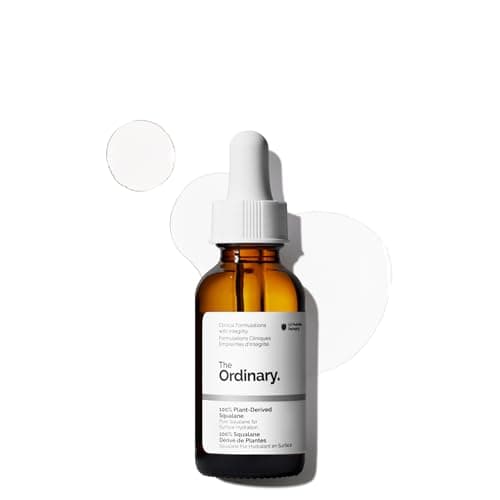
The Ordinary 100% Plant-Derived Squalane
9.2A single-ingredient, plant-derived squalane in a full 30 ml bottle at a low price, stocked almost everywhere — the default pick for most people.
Read our review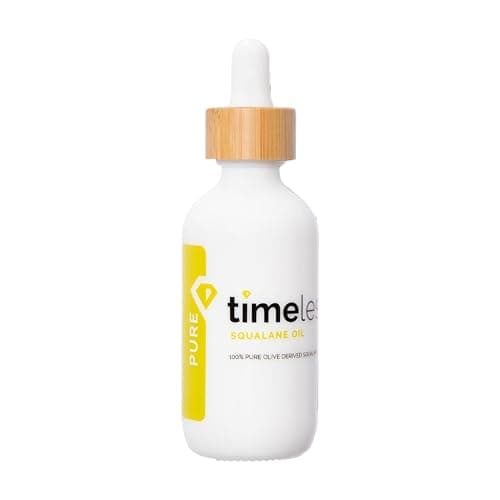
Timeless Skin Care 100% Pure Squalane
9.0A double-size, fragrance-free 100% squalane that usually lands at the lowest cost per ounce of any pick here.
Read our reviewSources
Frequently asked questions
Is squalane or sunflower oil better for skin?
It depends on the goal. Sunflower oil is rich in linoleic acid, which the skin barrier uses, so it can support a compromised barrier. Squalane is more stable, lighter, and more predictable, with a 0 to 1 comedogenic reputation. Many people use sunflower oil first and squalane as the seal on top.
Is sunflower oil comedogenic?
It's generally considered low risk. High-linoleic oils like sunflower tend to be friendlier to acne-prone skin than high-oleic oils such as olive or coconut. Squalane remains the lower-risk option because it's a single, non-triglyceride molecule.
Does sunflower oil go rancid on skin?
It can degrade over time, because it's an unsaturated plant oil that oxidizes. Buy small bottles, store them cool and dark, and replace them. Squalane is hydrogenated and saturated, so it's far more stable in the bottle.
Can you use squalane and sunflower oil together?
Yes. Apply sunflower oil to slightly damp skin first, wait a minute, then press a couple of drops of squalane on top as the stable sealing layer. There's no chemical conflict between them.
Is squalane a seed oil?
No. Squalane is a saturated hydrocarbon, usually made from fermented sugarcane or from olives, and it isn't a triglyceride seed oil at all. That makes it a straightforward alternative if seed oils are something you'd rather avoid.
Keep reading
Ready to pick a squalane oil?
See our ranked squalane oil picks, each with a live price, cost per ounce, and who it suits.
See the best squalane oils