Squalane vs Grapeseed Oil
Two of the lightest facial oils around. The real difference is stability and what each one brings besides slip.
We may earn a commission if you buy through our links, at no extra cost to you. Prices are pulled live from Amazon and can change. How this works.
Grapeseed oil and squalane are often mentioned in the same breath because both are unusually light for facial oils — neither leaves the heavy film that argan or olive can. Grapeseed is a linoleic-acid-rich oil with a useful load of antioxidants; squalane is a single, saturated molecule that's about as inert and stable as a skincare oil gets. Both are good choices for oily and combination skin, so the decision comes down to stability and what else you want the oil to do.
The quick answer: if you specifically want a linoleic-acid oil with antioxidant polyphenols and you'll use it up reasonably quickly, grapeseed is a genuinely nice, affordable option. If you want the most stable, longest-lasting, lowest-fuss oil that suits nearly everyone, squalane is the safer default.
Squalane vs grapeseed oil at a glance
What grapeseed oil does well
Grapeseed's appeal is that it's light and active at once. It's high in linoleic acid, the fatty acid that tends to suit oily and acne-prone skin, and it carries polyphenols and vitamin E that give it real antioxidant properties. Some references note it may support skin elasticity and help defend against oxidative stress. For a low-cost oil that feels almost dry on the skin, it punches above its weight.
Its honest limitation is stability. Because it's a polyunsaturated oil, grapeseed oxidizes faster than a saturated one — meaning it can go off sooner and should be bought in smaller amounts, stored cool and dark, and used up within a few months of opening. It's also a whole botanical oil, so there's a little more to potentially react to than in a single refined ingredient.
Where squalane pulls ahead
Squalane trades grapeseed's antioxidant extras for near-total stability and simplicity. Its saturated structure resists oxidation, so a bottle keeps for many months without turning, and as a single fragrance-free ingredient there's very little to irritate. It's commonly rated 0–1 on the comedogenic scale — a touch lower than most oils — which is why it suits oily, dry, and sensitive skin alike. The chemistry is explained in squalane vs squalene.
In feel, the two are close, but squalane edges it for pure lightness and consistency batch to batch. If you want an oil you can buy once, keep for a while, and use on any skin type without thinking, squalane is the easier answer.
Buyer-first verdict: grapeseed is a lovely, affordable, linoleic-rich oil for oily skin if you'll use it quickly. For stability, simplicity, and universal tolerance, squalane wins — and the two layer together happily.
Which should you choose (or use both)?
- Choose squalane if you want the most stable, lowest-fuss oil, or one oil that suits every skin type with no scent and a long shelf life.
- Choose grapeseed if you specifically want a linoleic-acid oil with antioxidant polyphenols for oily or combination skin and you'll finish the bottle promptly.
- Use both if you like — grapeseed for its antioxidants and squalane to seal, layering the lighter grapeseed first.
Our squalane picks
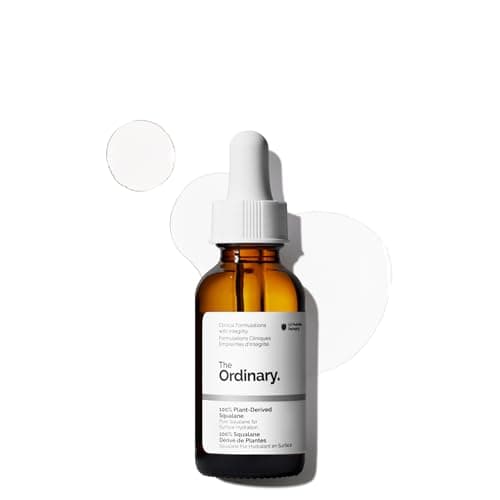
The Ordinary 100% Plant-Derived Squalane
9.2A single-ingredient, plant-derived squalane in a full 30 ml bottle at a low price, stocked almost everywhere — the default pick for most people.
Read our review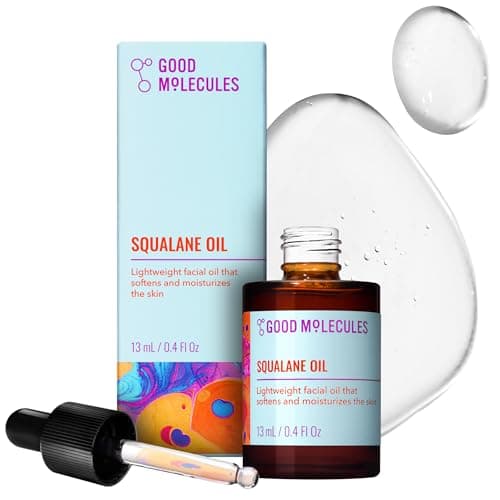
Good Molecules Squalane Oil
8.9The lowest sticker price of any 100% squalane here — but in a 13 ml bottle, so it's the cheapest way to try the ingredient, not the cheapest way to keep using it.
Read our reviewHow to layer them
Both are lightweight oils that go after water-based serums and before or mixed into moisturizer. If you use both, apply the lighter grapeseed first, then press squalane over the top to seal. For the full step order, see how to use squalane oil; for oily skin specifically, squalane for oily skin explains why light oils help. Patch-test any new oil first.
Sources
Frequently asked questions
Is grapeseed oil or squalane better?
Both are light facial oils that suit oily and combination skin. Grapeseed is linoleic-acid-rich with antioxidant polyphenols but oxidizes faster; squalane is more shelf-stable, fragrance-free, and commonly rated 0 to 1 on the comedogenic scale. For low-fuss versatility, squalane wins; for antioxidant extras at a low price, grapeseed is a good pick.
Is grapeseed oil comedogenic?
Grapeseed is generally considered low on the comedogenic scale and its high linoleic acid content tends to suit oily, acne-prone skin. It's a whole oil, though, so there are more variables than in single-ingredient squalane, which is commonly rated 0 to 1.
Does grapeseed oil expire faster than squalane?
Yes. Grapeseed is a polyunsaturated oil that oxidizes relatively quickly, so buy smaller bottles, store it cool and dark, and use it within a few months. Squalane's saturated structure makes it far more shelf-stable.
Can I use squalane and grapeseed oil together?
Yes. Apply the lighter grapeseed oil first for its antioxidants, then press squalane on top to seal. Both go near the end of your routine after water-based serums. Patch-test any new oil first.
Keep reading
Ready to pick a squalane oil?
See our ranked squalane oil picks, each with a live price, cost per ounce, and who it suits.
See the best squalane oils