Squalane vs Niacinamide
One is a water-based vitamin B3 active; the other is the oil that seals your routine. Here's what each does and the order to layer them.
We may earn a commission if you buy through our links, at no extra cost to you. Prices are pulled live from Amazon and can change. How this works.
This one trips people up because both squalane and niacinamide have a reputation for being gentle, everyday ingredients — so it can feel like you should pick one. You don't. Niacinamide (vitamin B3) is a water-based active that works inside your routine's serum step, while squalane is an emollient oil that seals everything in near the end. They target different jobs, which is exactly why they layer so neatly.
The quick answer: apply niacinamide first, as part of your water-based serum step, then squalane on top to lock it in. You get niacinamide's active benefits and squalane's comfort and hydration in the same routine — in that order.
Squalane vs niacinamide at a glance
What each one actually does
Niacinamide is a genuine active with a lot of range. It helps strengthen the skin barrier, can help regulate oil (sebum) production, calms redness, softens the look of hyperpigmentation and uneven tone, and is often credited with minimizing the appearance of pores over time. It's water-soluble, so it belongs in the serum step of a routine, before anything oily goes on. Because it's so well tolerated, it plays well with almost everything else on your shelf.
Squalane isn't an active — it's an emollient, and that's the point. It's a hydrogenated, shelf-stable form of squalene (a lipid your skin already makes), it's commonly rated 0–1 on the comedogenic scale, and it softens the surface while helping reduce the water your skin loses to the air. It doesn't change your skin the way niacinamide does; it makes your skin comfortable and keeps hydration where it belongs. See what is squalane? for the full background.
Because their strengths barely overlap, there's very little redundancy in using both. Niacinamide can't seal the skin, and squalane can't refine tone or help manage oil — so each covers exactly what the other can't. That's the clearest sign of a genuinely complementary pair rather than two products competing for the same slot in your routine.
Why they work better together
Think of it as a two-part job. Niacinamide does the corrective work in a lightweight, water-based layer — but water-based layers can evaporate, and a barrier-supporting active is most useful when the barrier is also being sealed. That's where squalane comes in: pressed over your niacinamide, it traps the serum against the skin and reduces moisture loss, so the whole routine feels more hydrated and stays comfortable through the day.
There's no chemistry conflict to worry about here. Niacinamide is famously easy to combine, and squalane is about as inert and gentle as a facial oil gets. One corrects; the other comforts and seals.
This combination is a particular favorite for oily and combination skin — the skin types most likely to be nervous about adding any oil at all. Niacinamide can help take the edge off excess shine, while a light squalane supplies the hydration those skin types still need without a greasy, pore-clogging feel. Rather than choosing between oil control and moisture, you get both in balance, which is often what oily skin was missing.
How to layer squalane and niacinamide
The rule is thinnest to thickest, water before oil. In practice:
- Cleanse, then apply toner or essence if you use one.
- Apply your niacinamide serum to clean skin — this is the water-based step.
- Let it absorb for a minute.
- Press a few drops of squalane over the top to seal it in.
- Finish with moisturizer, and sunscreen in the morning (always last).
You can run this pairing morning and night if you like. Niacinamide is gentle enough for twice-daily use, and squalane is well tolerated around the clock, so most people apply both at each step of their routine. In the morning, the only thing to remember is that sunscreen is always the final layer, going on after the squalane. If your skin ever feels overloaded on hot or humid days, an easy adjustment is to keep niacinamide in both routines but save the squalane for nighttime, when a little extra seal is most welcome and there's no SPF sitting on top of it.
Rule of thumb: niacinamide first (it's water-based), squalane second (it's the oil). If your skin is oily, niacinamide can help manage shine while squalane adds hydration without a heavy, pore-clogging feel — a good combination for oily and combination skin. Patch-test any new product first.
Do you need both?
They solve different problems, so it depends on what you're after. If your concerns are oiliness, redness, uneven tone, or the look of pores, niacinamide is the active doing the heavy lifting. If your skin feels dry, rough, or tight, squalane is what helps most. Plenty of people want both — clearer, more balanced skin and lasting comfort — and there's no reason not to run them together in the same routine. For where oils sit overall, see how to use squalane oil, and for another humectant-plus-oil pairing, squalane vs hyaluronic acid.
If you're building a routine from scratch, a sensible order of priority is to sort out your core concern first with niacinamide, then add squalane as the comfort-and-seal layer that makes everything sit better on top. Neither is a treatment for a medical skin condition, so if you're dealing with persistent redness, breakouts, or irritation, it's worth checking in with a dermatologist. And patch-test anything new before you commit it to your whole face.
Squalane to layer over your niacinamide
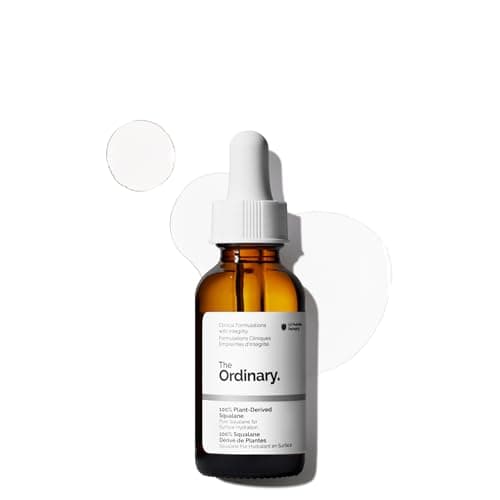
The Ordinary 100% Plant-Derived Squalane
9.2A single-ingredient, plant-derived squalane in a full 30 ml bottle at a low price, stocked almost everywhere — the default pick for most people.
Read our review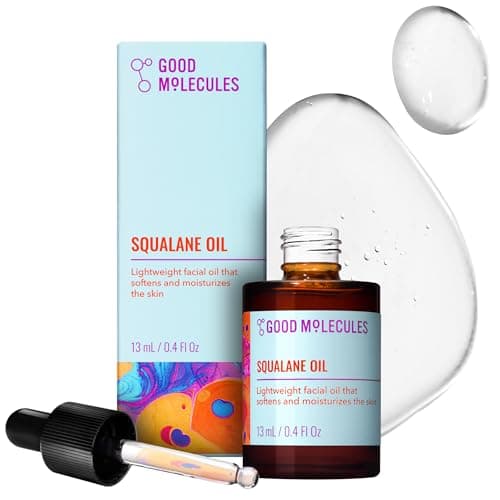
Good Molecules Squalane Oil
8.9The lowest sticker price of any 100% squalane here — but in a 13 ml bottle, so it's the cheapest way to try the ingredient, not the cheapest way to keep using it.
Read our reviewWhat about cost?
Both are among the more affordable upgrades you can make to a routine. Plain niacinamide serums are widely available at low prices, and squalane ranges from budget bottles to pricier premium ones — we show the current price and cost per ounce on every squalane oil pick so you can compare like for like. Because a single-ingredient squalane does the sealing job perfectly well, there's no need to overspend to layer one over a niacinamide serum; the value picks are more than enough.
Sources
Frequently asked questions
Can you use squalane and niacinamide together?
Yes. They do different jobs and layer well. Apply your niacinamide serum first, since it's water-based, then press squalane over the top to seal it in. There's no conflict between them.
Which goes first, niacinamide or squalane?
Niacinamide first. It's a water-based serum, so it goes on early, before oils. Squalane is an oil and goes on afterward to trap the serum against the skin and reduce moisture loss.
Is squalane or niacinamide better for oily skin?
They help in different ways. Niacinamide can help regulate oil and minimize the look of pores, while squalane adds lightweight hydration without clogging pores. Many oily-skin routines use both, niacinamide then squalane.
Do niacinamide and squalane cancel each other out?
No. Niacinamide is a water-soluble active and squalane is a gentle emollient oil, so they don't interfere with each other. The squalane simply seals in the niacinamide layer underneath.
Keep reading
Ready to pick a squalane?
See our ranked squalane oil picks — each with a live price, cost per ounce, and who it suits.
See the best squalane oils