Squalane vs Snail Mucin
A hydrating essence and a sealing oil — different jobs, and a genuinely great layered pair.
We may earn a commission if you buy through our links, at no extra cost to you. Prices are pulled live from Amazon and can change. How this works.
Snail mucin and squalane are both beloved for the same end goal — soft, hydrated, comfortable skin — but they get there differently. Snail mucin (snail secretion filtrate) is a water-based, humectant-rich essence packed with hydrating compounds; squalane is a lightweight oil that seals moisture in and softens the surface. One draws and holds water; the other locks it down. That makes them a layered pair, not an either/or.
The quick answer: if you want plump, dewy hydration and a K-beauty-style essence step, snail mucin is a lovely addition. If you want a simple, stable oil that seals hydration and suits every skin type, squalane is the low-fuss pick. Layered — snail mucin first, squalane on top — they're better than either alone.
Squalane vs snail mucin at a glance
What snail mucin does
Snail mucin is prized for hydration. It's a complex mix that includes hyaluronic acid, glycoproteins, peptides, and trace minerals, which together help draw water into the skin and leave it looking plump and dewy. References also note anti-inflammatory properties that may help soothe the look of irritated skin, and it's often associated with supporting a smooth, healthy-looking surface over time. It's a staple of Korean skincare, usually used as an essence or serum step.
The honest caveat is patience: snail mucin generally needs consistent, often daily use over several weeks before you notice a real difference, and because it's humectant-leaning, it works best when there's an emollient or moisturizer on top to keep that drawn-in water from evaporating — especially in dry air.
What squalane does — and why it seals snail mucin so well
Squalane is the sealing partner. It's a light, fragrance-free emollient that softens the surface and helps stop water loss — exactly what a humectant essence needs over the top of it. It's commonly rated 0–1 on the comedogenic scale and suits oily, dry, and sensitive skin, so it layers over snail mucin without heaviness; the background is in what is squalane?.
Because squalane is a single, stable molecule, it also adds nothing to react to — a plus if snail mucin is already a new ingredient for your skin. Think of snail mucin as the drink of water and squalane as the lid.
Buyer-first verdict: layer them. Snail mucin delivers humectant hydration; squalane seals it in. Apply the water-based snail mucin first, then press squalane on top — you get dewy hydration that actually lasts.
How to layer them
- Cleanse and, if you use one, apply a toner.
- Apply snail mucin to slightly damp skin and let it absorb — this is your humectant hydration step.
- Add any other serums you use (water-based first).
- Seal with a few drops of squalane, then a moisturizer if your skin wants more.
Squalane picks to seal it in
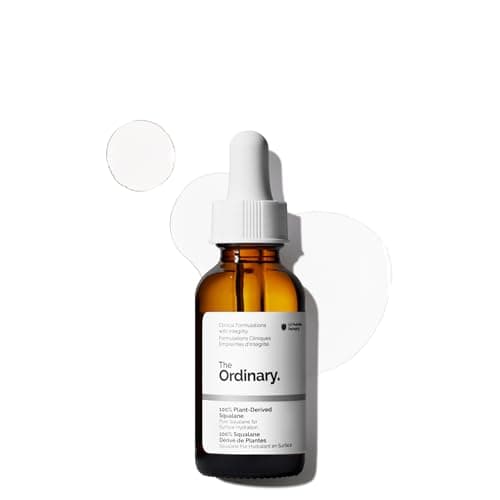
The Ordinary 100% Plant-Derived Squalane
9.2A single-ingredient, plant-derived squalane in a full 30 ml bottle at a low price, stocked almost everywhere — the default pick for most people.
Read our review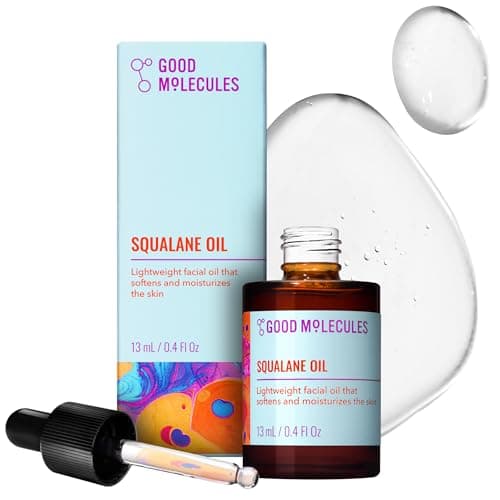
Good Molecules Squalane Oil
8.9The lowest sticker price of any 100% squalane here — but in a 13 ml bottle, so it's the cheapest way to try the ingredient, not the cheapest way to keep using it.
Read our reviewWhich should you choose?
If your skin mainly needs hydration and a dewy finish, snail mucin earns its place. If you want a simple, universally tolerated oil to seal and soften, squalane is the easy pick — and the two aren't mutually exclusive. For more on the draw-then-seal logic, see squalane vs hyaluronic acid and how to layer squalane. Patch-test any new product, and introduce one new ingredient at a time.
Sources
Frequently asked questions
Is squalane or snail mucin better?
They do different jobs. Snail mucin is a humectant-rich essence that draws and holds water for a plump, dewy look; squalane is a light emollient that seals moisture in. They're complementary — layering snail mucin first and squalane on top is better than choosing one.
Can you use squalane and snail mucin together?
Yes, and it's a great combination. Apply the water-based snail mucin first so it can hydrate, then seal with a few drops of squalane. This draw-then-seal approach keeps the hydration from evaporating, especially in dry air.
Do you put squalane or snail mucin on first?
Snail mucin first, squalane second. The rule is water-based before oil-based: the watery snail essence goes on early to hydrate, and the squalane oil seals everything in as a later step.
Does snail mucin replace a moisturizer?
Not really — snail mucin is mainly a humectant hydrator, so it works best with an emollient or moisturizer on top to lock in the water it draws. Squalane makes a good, lightweight sealing step; drier skin may want a fuller moisturizer too.
Keep reading
Ready to pick a squalane oil?
See our ranked squalane oil picks, each with a live price, cost per ounce, and who it suits.
See the best squalane oils