Squalane for Keratosis Pilaris: Does It Help?
Partly, and honestly: squalane treats the dryness, not the bumps. It belongs in a keratosis pilaris routine — just not as the thing doing the work.
We may earn a commission if you buy through our links, at no extra cost to you. Prices are pulled live from Amazon and can change. How this works.
Squalane helps with how keratosis pilaris feels and looks, but it is not a treatment for it. The bumps are plugs of keratin in the hair follicles, and clearing them needs something that exfoliates — a lactic, salicylic or glycolic acid, or urea. Squalane does none of that. What it does do is fix the rough, dry, slightly itchy skin around the bumps, which is the part most people actually notice, and it makes an exfoliating routine tolerable instead of stinging. If you want one product for this, make it a fragrance-free body lotion with a real lipid blend — the Naturium Bio-Lipid Restoring Body Lotion is our value pick — and keep a plain squalane oil for the worst patches. The American Academy of Dermatology is clear that keratosis pilaris is harmless and often clears with age, and that moisturizing is part of managing it.
Keratosis pilaris — "chicken skin" — turns up on upper arms, thighs, cheeks and buttocks as small rough bumps, sometimes red or brown-tinged depending on skin tone. The AAD describes it as very common, harmless, and frequently worse in dry conditions, which is the detail that explains why an emollient appears in nearly every piece of advice about it.
What causes the bumps, and why that limits what squalane can do
Each bump is a hair follicle plugged with keratin, the protein your skin makes. That plug is a physical obstruction; it is not dryness, and it is not inflammation. So the only things that reduce the bumps themselves are things that break down or dissolve keratin and help the plug shed — which in practice means a chemical exfoliant or a keratolytic such as urea. The AAD's treatment guidance centers on exactly those, used consistently, with the caveat that keratosis pilaris tends to return when you stop.
Squalane is an emollient. It softens the surface and slows water loss; it has no exfoliating action and no effect on keratin. Any page telling you a squalane oil clears keratosis pilaris is selling you something. What is true is narrower and still useful, and it is the next section.
What squalane genuinely does for keratosis pilaris skin
- It fixes the roughness between the bumps. Much of what you feel when you run a hand over a keratosis pilaris arm is ordinary dry skin, and that responds to an emollient within days.
- It reduces the dryness that makes the bumps more obvious. Dry skin makes keratosis pilaris look worse; the AAD notes it is often worse in dry air and in winter.
- It makes an exfoliating routine survivable. Lactic or salicylic acid on body skin stings and flakes. An emollient layer afterwards is what keeps people using the acid long enough for it to work.
- It will not clog the follicle further. Squalane is commonly rated 0–1 for comedogenicity and contains no fatty acids, which matters when you are putting a lipid onto a blocked follicle — see is squalane comedogenic?.
- It is fragrance-free in its pure form. Keratosis pilaris skin is often itchy and frequently coexists with eczema-prone skin, and added fragrance is the most common cause of cosmetic allergic contact dermatitis.
The honest expectation: softer, less itchy, less visibly rough skin within a week or two, and no change in the number of bumps. If you want fewer bumps, the exfoliant is doing that job and the squalane is making it bearable.
The routine that actually works
- Shower warm, not hot, and keep it short. Hot water strips body lipids, and the tightness afterwards is the dryness you are trying to treat.
- Use a mild, fragrance-free wash. No scrubs, no loofahs, no exfoliating mitts. Physically scrubbing keratosis pilaris irritates it and does not shift the plugs.
- Pat most of the way dry, leave skin damp.
- Your exfoliant on the affected areas, two or three times a week to start — a lactic acid or urea lotion, or salicylic acid, per the product directions. This is the step doing the work on the bumps.
- A fragrance-free body lotion all over, while skin is still slightly damp, every single day. Daily is what makes the difference, not strength.
- Plain squalane oil on the roughest patches over the lotion, on the nights you have not exfoliated.
- Give it eight weeks before you judge it. Keratosis pilaris is slow, and it recurs if you stop — the AAD says so plainly.
What to look for when you are buying
- Fragrance-free, not "unscented". Unscented can mean a masking fragrance was added. Check the ingredient list for parfum and for essential oils.
- A real lipid blend in the lotion — squalane high on the list, ideally with ceramides — rather than one emollient near the bottom behind the preservatives.
- A big enough bottle. Two upper arms and two thighs used daily go through lotion fast, and the commonest reason people stop is running out. Cost per ounce is the number that matters here, not the sticker price.
- A separate exfoliant, chosen on its active. Squalane products do not exfoliate; do not expect a lotion to do both jobs unless urea or an acid is on its ingredient list.
- Skip the body scrub. It is the one product in this aisle that reliably makes keratosis pilaris worse.
What to buy for keratosis pilaris skin
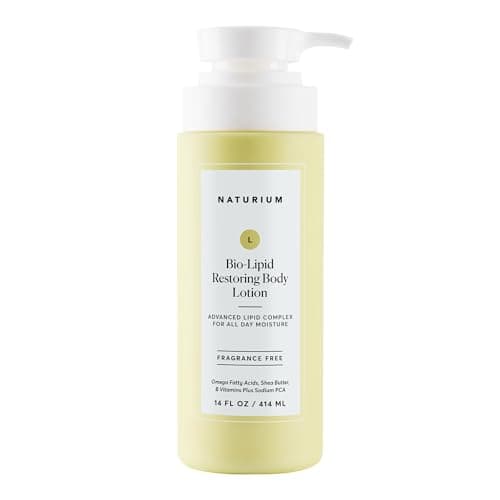
Naturium Bio-Lipid Restoring Body Lotion
8.1The sensible buy for most people: a fragrance-free barrier lotion with a real lipid blend, at the lowest cost per ounce of the four.
Read our review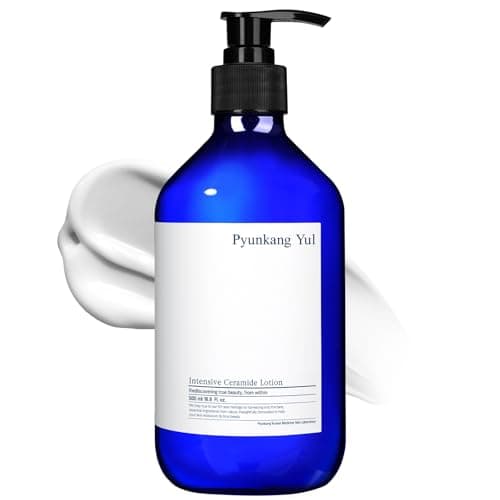
Pyunkang Yul Intensive Ceramide Body Lotion
7.2The biggest bottle on this page at 16.9 fl oz, and fragrance-free — but squalane sits 21st of 36 ingredients, so this is a ceramide-and-hyaluronic lotion that also contains squalane.
Read our review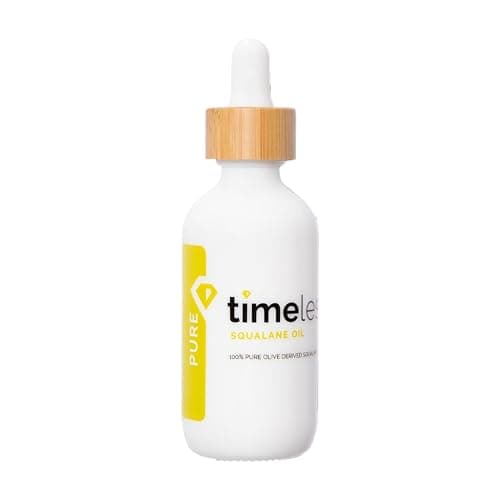
Timeless Skin Care 100% Pure Squalane
9.0A double-size, fragrance-free 100% squalane that usually lands at the lowest cost per ounce of any pick here.
Read our reviewWhen to see a dermatologist
Keratosis pilaris is harmless, so there is no medical need to treat it at all — but see a clinician if the bumps are painful, spreading quickly, intensely itchy, or if you are not sure that is what they are, because several other conditions look similar. A dermatologist can also prescribe stronger keratolytics and retinoids than you can buy, which is the route worth taking if eight weeks of consistent over-the-counter care has done nothing.
For the body-skin basics that sit underneath any keratosis pilaris routine, squalane for dry skin and best squalane body lotion cover the products and the damp-skin timing, and squalane for eczema-prone skin is worth reading if your skin is itchy as well as bumpy — the two conditions often turn up together.
Sources
- American Academy of Dermatology — Keratosis Pilaris: Overview
- American Academy of Dermatology — Keratosis Pilaris: Diagnosis and Treatment
- American Academy of Dermatology — Dermatologists' Top Tips for Relieving Dry Skin
- Cleveland Clinic — Squalane: Benefits and How To Use It
- Healthline — Contact Dermatitis: Causes, Symptoms, and Treatment
Frequently asked questions
Does squalane help keratosis pilaris?
It helps the dryness and roughness around the bumps, and it makes an exfoliating routine tolerable, but it does not clear the bumps themselves. Keratosis pilaris bumps are keratin plugs in the follicles, and shifting them needs an exfoliant such as lactic, salicylic or glycolic acid, or urea. Squalane has no exfoliating action.
Is squalane oil good for keratosis pilaris?
As the moisture half of a routine, yes. It is fragrance-free in its pure form, commonly rated 0 to 1 for comedogenicity so it will not plug the follicle further, and it absorbs without the greasy film of heavier oils. It is not a treatment for the bumps - pair it with an exfoliant that is.
What actually gets rid of keratosis pilaris bumps?
Consistent chemical exfoliation or a keratolytic. The American Academy of Dermatology's treatment guidance centers on products containing acids or urea to help the plugs shed, used regularly, with the caveat that keratosis pilaris usually returns when you stop. It is also harmless and often improves with age on its own.
Should I scrub keratosis pilaris?
No. Physical scrubbing with a loofah, mitt or grainy scrub irritates the skin without shifting keratin plugs, and on skin that is already dry and sometimes itchy it tends to make the appearance worse. Chemical exfoliation plus daily moisturizing is the approach that works.
How long does it take to see a difference?
The dryness and roughness usually improve within a week or two of daily moisturizing. The bumps themselves move on a much slower timescale - give an exfoliating routine around eight weeks before judging it, and expect it to need keeping up, because keratosis pilaris commonly returns when treatment stops.
Can squalane make keratosis pilaris worse?
It is one of the less likely lipids to. Squalane contains no fatty acids, is commonly rated 0 to 1 for comedogenicity, and is considered fungal-acne safe, so it does not add the risks that heavier plant oils carry on bump-prone skin. If a product makes things worse, the usual culprit is fragrance or an essential oil in the formula rather than the squalane.
Is keratosis pilaris worse in winter?
Often, yes - the American Academy of Dermatology notes it tends to be worse in dry conditions, which is why it flares in cold weather and in dry indoor air. That is also why the moisturizing half of the routine matters more in winter, and why people often think it has cleared in summer.
Keep reading
Pick the body product
Four squalane body lotions and creams compared on where squalane sits on the ingredient list, fragrance status and cost per ounce.
See the best squalane body lotions