Squalane for Eczema-Prone Skin
A gentle, fragrance-free oil that seals in moisture — a sensible adjunct for eczema-prone skin, not a replacement for your doctor's plan.
We may earn a commission if you buy through our links, at no extra cost to you. Prices are pulled live from Amazon and can change. How this works.
If your skin is eczema-prone, the appeal of squalane is that it's about as low-drama as a moisturizing step gets: a lightweight, fragrance-free emollient that softens the surface and helps slow the water your skin loses through a weakened barrier. It won't treat eczema — nothing about squalane clears or prevents a flare — but as a gentle daily moisture step alongside the plan your doctor gives you, it's a sensible, low-risk choice.
Here's the honest framing before we go further: eczema (atopic dermatitis) is a medical skin condition, and squalane is a skincare ingredient, not a medication. Think of it as a supporting player — the soft, non-irritating oil that seals moisture in — not a substitute for prescribed creams, a doctor's guidance, or the barrier-repair moisturizer that does the heavier lifting.
Why eczema-prone skin struggles to hold moisture
Eczema-prone skin has a compromised barrier — the outer layer that normally keeps water in and irritants out doesn't seal as well. So skin loses water faster (that's trans-epidermal water loss) and reacts more easily to things it touches, which is why it feels tight, dry, rough, and itchy, and why fragrances and harsh ingredients tend to sting. The practical takeaway is simple: eczema-prone skin does best with fragrance-free products that add moisture and cut the water escaping through that weakened barrier. That's exactly the lane squalane sits in.
It also explains why the wrong products make things worse. Anything that strips the skin or introduces a new irritant — fragrance, drying alcohols, strong actives — asks more of a barrier that's already struggling. The goal between and during flares is to reduce that load: cleanse gently, avoid known triggers, and keep the skin soft and sealed. A plain emollient can't rebuild the barrier on its own, but by slowing water loss it buys the skin some breathing room while the products your doctor recommends do their work.
How squalane fits in
Squalane is an emollient: it softens and smooths the skin surface and helps limit trans-epidermal water loss. In its pure form it carries no fragrance — one of the most common triggers for reactive skin — and it's commonly rated 0–1 on the comedogenic scale, so it's unlikely to cause problems of its own. It also mimics squalene, a lipid your skin already makes, which is part of why it tends to sit comfortably even on stressed skin. None of that treats eczema; what it does is add a gentle, sealing layer of moisture with very little to react to. If your skin also runs dry between flares, the same logic applies on our squalane for dry skin page.
Pair the oil with a ceramide moisturizer
The most useful way to think about squalane here is as a sealer, not a stand-alone fix. Emollient oils soften and lock moisture in, but they don't supply the ceramides that a compromised barrier is often short on. So the strongest low-risk pairing is a ceramide-rich, fragrance-free moisturizer plus squalane: the moisturizer helps rebuild and support the barrier, and the squalane seals everything in. On slightly damp skin, apply your hydrating or ceramide moisturizer first, then press a few drops of squalane over the top.
This layering also lets each product do the job it's good at instead of asking one product to do everything. Ceramides and other barrier lipids help patch the gaps; a humectant underneath draws in water; the squalane on top keeps that water from evaporating straight back out. You don't need a long routine to get there — a gentle cleanser, a fragrance-free ceramide moisturizer, and squalane is a short, sensible core that leaves little to react to.
Squalane is a moisture step, not a medicine. It won't treat, prevent, or clear eczema, and it's not a replacement for a prescribed cream or your doctor's plan. If your skin is actively flaring, cracked, weeping, or looks infected, see a doctor or dermatologist — a gentle oil isn't the answer for that.
How to use it (and how to patch-test first)
Because eczema-prone skin reacts easily, introduce squalane slowly and one product at a time:
- Patch-test first. Apply a small amount to a discreet spot — the inner forearm or behind the ear — once a day for a few days and watch for redness, itching, or stinging before using it on your face.
- Start on clean, slightly damp skin. Applying squalane over damp skin, or over a hydrating serum, helps trap more water underneath it.
- Use just a few drops. Warm two to four drops between your fingertips and press — don't rub — them in.
- Seal, don't skip, your moisturizer. On dry or flare-prone areas, layer a ceramide moisturizer and squalane together rather than choosing one.
- Keep the rest of the routine simple. Fewer fragranced products and actives means fewer things that can set reactive skin off.
What to look for in a product
For eczema-prone skin, simpler is safer. A 100% squalane oil with nothing else on the ingredient list removes fragrance and other potential triggers, which is why it's the lowest-variable choice — and it's the same reasoning behind our squalane for sensitive skin picks. If you'd rather have the emollient built into a cream, a fragrance-free barrier moisturizer that pairs well with squalane covers the sealing and barrier-support steps in one. Whatever you choose, look for 'fragrance-free' (not just 'unscented'), a short ingredient list, and a plant-derived squalane source if that matters to you. Our best squalane moisturizer roundup has more options.
Gentle picks to pair
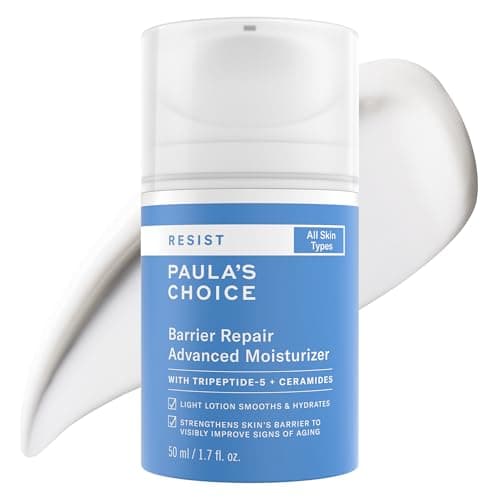
Paula's Choice RESIST Barrier Repair Advanced Moisturizer
8.1Squalane 6th of 35 inside a genuine five-ceramide-plus-cholesterol barrier formula, with no fragrance on the list.
Read our review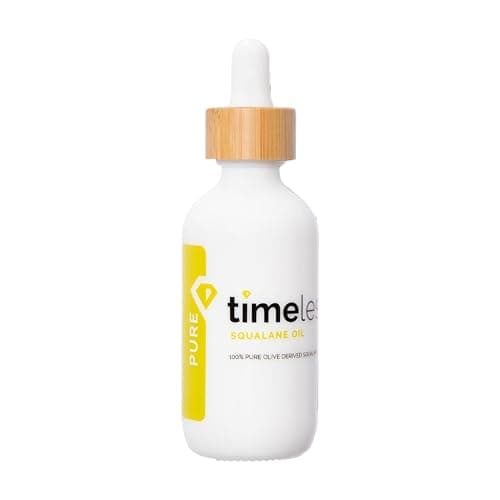
Timeless Skin Care 100% Pure Squalane
9.0A double-size, fragrance-free 100% squalane that usually lands at the lowest cost per ounce of any pick here.
Read our reviewSources
Frequently asked questions
Is squalane good for eczema-prone skin?
As a gentle moisture step, yes. Squalane is a fragrance-free, lightweight emollient that softens skin and helps reduce the water loss a weakened barrier struggles to prevent. It isn't a treatment for eczema, though, and works best alongside a ceramide moisturizer and any plan your doctor has given you.
Can squalane replace my prescribed eczema cream?
No. Squalane is a skincare ingredient, not a medication, and it can't treat or clear a flare. Keep using anything your doctor prescribed and think of squalane as a supporting moisture step, not a substitute.
Will squalane irritate sensitive, eczema-prone skin?
Pure squalane is fragrance-free and commonly rated 0 to 1 on the comedogenic scale, so it's one of the lower-risk oils for reactive skin. Everyone's skin is different, though, so patch-test any new product on a small area for a few days first.
Should I use a squalane oil or a moisturizer for eczema-prone skin?
Often both. A ceramide-rich, fragrance-free moisturizer helps support the barrier, while a squalane oil seals moisture in on top. If you want one step, choose a fragrance-free barrier cream; if you want to layer, add squalane over your moisturizer.
Keep reading
Find a gentle, fragrance-free pick
See our ranked squalane moisturizer picks, each with a live price and who it suits — including fragrance-free options for sensitive, barrier-stressed skin.
See the best squalane moisturizers