Squalane for Psoriasis-Prone Skin
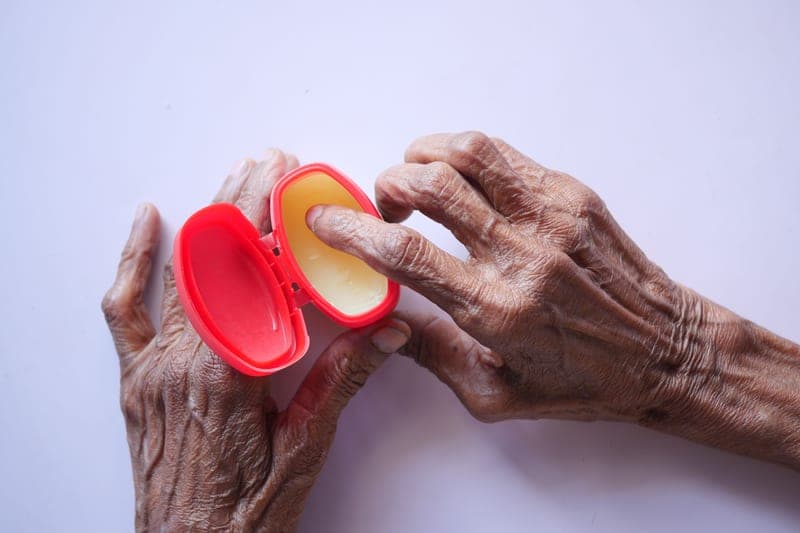
Moisturizing is one of the most useful things you can do for psoriasis. It's also not a treatment — and squalane is firmly on the moisturizing side of that line.
We may earn a commission if you buy through our links, at no extra cost to you. Prices are pulled live from Amazon and can change. How this works.
Psoriasis is an immune-mediated condition, not a moisturizing problem, and no cosmetic oil treats it. That has to be the starting point of any honest page on the subject. Squalane will not clear a plaque, slow cell turnover, or replace anything your dermatologist has prescribed.
What moisturizing *does* do is well established. The American Academy of Dermatology describes moisturizing as one of the best and easiest acts of self-care for psoriasis, because psoriasis makes skin dry and scaly, and moisturizer helps with that. So the useful question isn't whether squalane treats psoriasis — it doesn't — but whether it's a good moisturizing step alongside treatment. For some people and some areas, it is.
What dermatology sources recommend
- Moisturize every day. AAD suggests a lotion during the day plus a cream or ointment before bed.
- Apply after bathing and after washing your hands, while skin still holds some water.
- Choose heavier over lighter. AAD is explicit that a heavy cream, ointment, or oil beats a lotion, because lotions are thinner and evaporate off the skin faster.
- Look for barrier ingredients. Ceramides to help restore the barrier, hyaluronic acid for deeper hydration.
- Use moisturizer instead of scratching. Reaching for moisturizer when you get the urge to scratch is standard advice.
- Stick to warm, not hot, water for baths and showers.
Where squalane fits
Squalane is an emollient: it softens the surface and slows water loss. Against the guidance above, that puts it firmly in the "oil" category AAD ranks above lotions, and it has two specific advantages for psoriasis-prone skin.
First, it's a single fragrance-free ingredient. Skin that's already inflamed doesn't need a long ingredient list or a scent, and fragrance is the most common avoidable irritant in skincare. Second, it's non-comedogenic at a commonly cited 0–1, which matters because psoriasis affects the chest, back, and scalp — areas where a heavy occlusive can cause congestion of its own. It also softens scale, which makes the surface less tight and less prone to cracking.
The honest limitation: for thick, well-established plaques, squalane alone will often be too light. A richer cream or ointment layered on top is closer to what the guidance describes, with squalane as the step underneath rather than the whole answer.
Never substitute a moisturizer for prescribed treatment, and never apply anything to cracked, bleeding, or infected skin without checking with your doctor first. Moisturizing supports a treatment plan; it doesn't replace one.
A practical routine
- Bathe in warm, not hot, water, and keep it short — hot water strips more lipid than it replaces.
- Pat dry, leaving skin slightly damp. Damp skin is the whole point of moisturizing straight after a bath.
- Apply prescribed treatments as directed. Your dermatologist's instructions on order and timing come first.
- Press in squalane over the areas that feel tight or scaly, on damp skin.
- Layer a cream or ointment on top where plaques are thick — this is where the heavier product earns its place.
- Repeat after every hand wash if hands are affected, and again before bed.
Scalp psoriasis
The scalp is one of the most common sites, and one of the most awkward to moisturize without making hair greasy — which is genuinely why people skip it. Squalane's weight is an advantage here: it's light enough to work into a dry, tight scalp without the heaviness of a traditional scalp oil, as covered on squalane for your scalp.
That said, scalp psoriasis very often needs medicated shampoos or prescribed topicals to actually improve, and softening scale is a supporting act rather than the treatment. Talk to your dermatologist before adding oil to a scalp you're already treating — some medicated products have specific instructions about what can go on top.
Our picks alongside treatment
For psoriasis-prone skin we'd stay with fragrance-free options, and pair a neat oil with a richer cream for the areas that need more. Both below show a live price and computed cost per ounce.
Fragrance-free moisture alongside your treatment plan
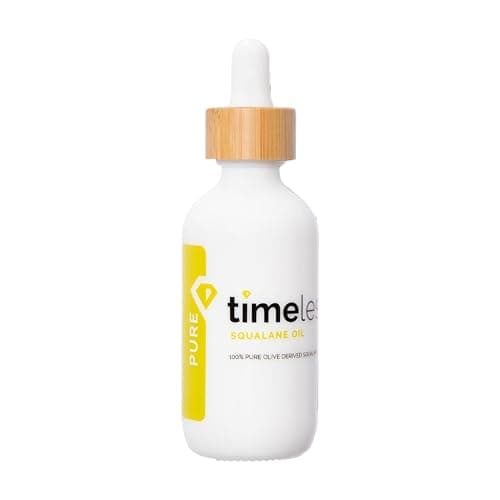
Timeless Skin Care 100% Pure Squalane
9.0A double-size, fragrance-free 100% squalane that usually lands at the lowest cost per ounce of any pick here.
Read our review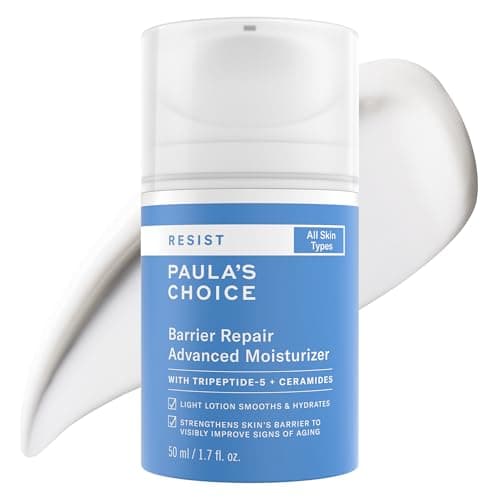
Paula's Choice RESIST Barrier Repair Advanced Moisturizer
8.1Squalane 6th of 35 inside a genuine five-ceramide-plus-cholesterol barrier formula, with no fragrance on the list.
Read our reviewFor related, similarly-framed guidance, see squalane for eczema and squalane for sensitive skin. Patch-test anything new on a small area, and take any change in your skin to a doctor or dermatologist rather than to a product page.
Sources
Frequently asked questions
Is squalane good for psoriasis?
Squalane doesn't treat psoriasis — it's an immune-mediated condition that needs medical treatment. As a moisturizing step alongside that treatment it's a reasonable choice: fragrance-free, non-comedogenic, and effective at softening dry, scaly skin. For thick plaques, a heavier cream or ointment on top is closer to dermatology guidance.
What kind of moisturizer is best for psoriasis?
Dermatology guidance favors heavy creams, ointments, or oils over lotions, because lotions are thinner and evaporate faster. Ingredients like ceramides and hyaluronic acid are specifically recommended. Apply after bathing and after hand washing, while skin is still slightly damp.
Can squalane replace my psoriasis treatment?
No. Moisturizing supports a treatment plan; it doesn't replace one. Continue any prescribed topical or systemic treatment exactly as directed, and discuss adding a new product with your dermatologist.
Can I use squalane on scalp psoriasis?
Squalane is light enough to work into a dry scalp without heavy greasiness, which makes it more practical than traditional scalp oils. But scalp psoriasis usually needs medicated shampoos or prescribed topicals, and some of those have instructions about what can be layered over them — ask your dermatologist first.
Will squalane irritate psoriasis-prone skin?
It's one of the lower-risk options, being a single ingredient with no fragrance. Still patch-test on a small area first, and never apply anything to cracked, bleeding, or infected skin without checking with your doctor.
Keep reading
Fragrance-free options, compared
See our squalane picks with live prices, full ingredient lists, and who each one suits — fragrance-free throughout.
See every squalane pick