Squalane for Your Beard: Is It Better Than Beard Oil?
A bottle of 100% squalane is a beard oil with the fragrance and the markup removed. For itch, flaking and the skin underneath, that is usually an upgrade.
We may earn a commission if you buy through our links, at no extra cost to you. Prices are pulled live from Amazon and can change. How this works.
Yes — a 100% squalane works as a beard oil, and for most people it is a better one than the scented blends. Nearly every beard oil on the shelf is a carrier oil plus fragrance; squalane is the carrier with nothing added, which matters because the problem people are usually trying to solve is itchy, flaking skin *under* the beard, and fragrance is the ingredient most likely to make that worse. The practical pick is volume: a beard uses far more than a face, so Timeless Skin Care 100% Pure Squalane at 2 fl oz is the sensible bottle, with The Ordinary 100% Plant-Derived Squalane as the cheaper way to try it first. The one thing squalane will not do is hold a shape — that is balm or wax, and it is a separate product.
The thing to understand about beard care is that most complaints about a beard are complaints about skin. Itch, flaking, tightness, the dandruff-like shedding in a dark beard: all of that is happening on the face underneath, where the hair makes it harder to moisturize and easier to ignore.
What a beard does to the skin underneath
Two things. First, a beard physically gets in the way — cleanser does not rinse evenly through it, moisturizer does not reach the skin, and most people stop applying anything below the cheekbone once the hair is long enough to resist. Second, beard hair wicks lipid away from the skin surface along its length, so the skin under a full beard tends to run drier than the skin on the same face without one.
Flaking in a beard is usually one of two things: ordinary dryness, or seborrheic dermatitis — the same condition behind scalp dandruff, which Healthline notes can affect the beard area. The distinction matters, because dryness responds to an emollient and seborrheic dermatitis needs an antifungal shampoo or a clinician's help. If an oil alone does not settle persistent, greasy-looking yellowish flaking with redness, that is the one to get looked at.
Why squalane rather than a beard-oil blend
- No fragrance. Scent is the whole marketing proposition of most beard oils and the most common cause of cosmetic allergic contact dermatitis. On skin that is already itching, that is a bad trade.
- It absorbs rather than sitting on top. Squalane is a light liquid hydrocarbon, so it does not leave the heavy sheen that a thick carrier oil leaves on a short beard.
- Nothing to go rancid. Squalane is saturated, so unlike the nut and seed oils in beard blends it does not oxidize over months in a warm bathroom.
- It will not break out the skin underneath. Commonly rated 0–1 for comedogenicity and considered fungal-acne safe, which matters along a jawline that already gets ingrown hairs and spots.
- It costs less per ounce. A 2 fl oz bottle of plain squalane is usually cheaper than a 1 fl oz boutique beard oil, and the beard oil is mostly a carrier plus perfume.
How to apply it, and how much
- After you wash, not before. Shower or rinse your beard, then towel it until it is damp rather than wet.
- Dose by beard length. Three to four drops for stubble or a short beard; six to eight for a full one. This is why bottle size matters more than it does for a face.
- Warm it between your palms, then work it in against the grain first so it reaches the skin, then with the grain to coat the hair.
- Finish at the skin, not the hair. Press the last of it into the jaw, chin and the strip under the jawline, which is where the itch lives and where nothing else gets applied.
- Comb it through. A comb distributes the oil far more evenly than fingers and is the difference between a conditioned beard and a patchy, greasy one.
- Daily, or every other day. Shorter beards need less; longer, coarser beards and hard water need more.
Apply it to a damp beard, not a dry one. Squalane has no humectant action at all — it attracts no water — so it can only slow the loss of water that is already there. Damp hair and damp skin is the difference between four drops working and eight drops feeling greasy.
What squalane will not do
It will not make your beard grow. There is no evidence that squalane affects hair growth, and we have said so plainly on does squalane help hair growth? — what it does is reduce breakage and split ends, which helps you keep the length you grow rather than adding to it. It will not hold a style; that is wax. It will not fix patchiness. And it will not treat seborrheic dermatitis, which needs an antifungal rather than an emollient.
What to look for when you are buying
- **The ingredient list should read *Squalane* and stop.** That is the whole product. Anything else on the list is somebody's margin.
- Buy the bigger bottle. A beard goes through two to three times what a face does. Compare cost per ounce, not sticker price — that is the number our roundups compute.
- A dropper, not a wide pump. Dosing six drops into a palm is easier than guessing with a pump, and you will be doing it daily.
- Fragrance-free, including essential oils. "Natural" cedarwood and sandalwood oils are fragrance for this purpose, and they are a common trigger for beard itch.
- Separate products for separate jobs. Squalane for condition and skin, a balm for hold. One product that promises both does neither well.
What to buy for a beard
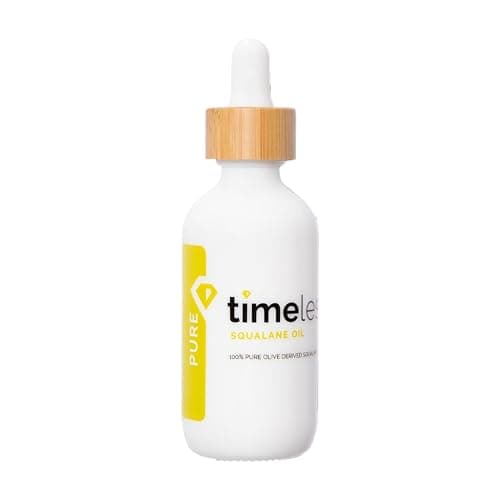
Timeless Skin Care 100% Pure Squalane
9.0A double-size, fragrance-free 100% squalane that usually lands at the lowest cost per ounce of any pick here.
Read our review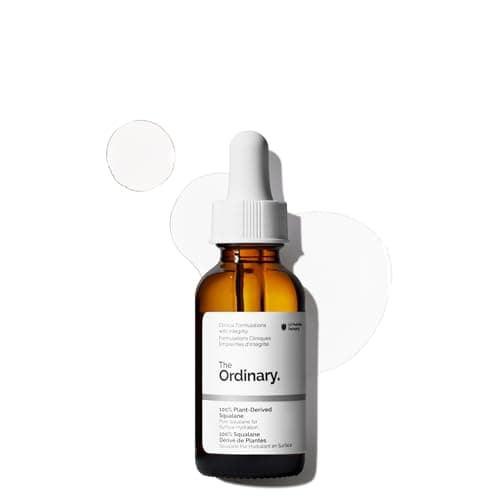
The Ordinary 100% Plant-Derived Squalane
9.2A single-ingredient, plant-derived squalane in a full 30 ml bottle at a low price, stocked almost everywhere — the default pick for most people.
Read our review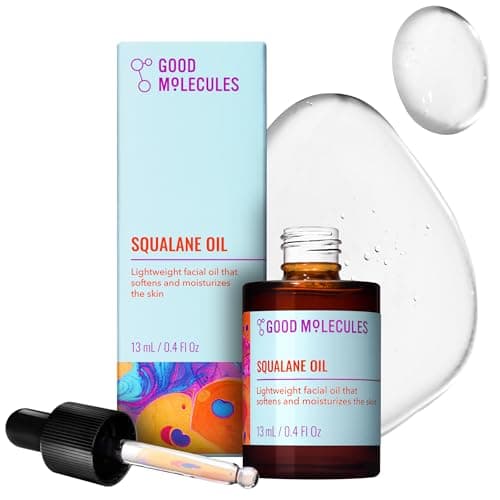
Good Molecules Squalane Oil
8.9The lowest sticker price of any 100% squalane here — but in a 13 ml bottle, so it's the cheapest way to try the ingredient, not the cheapest way to keep using it.
Read our reviewThe rest of the routine
Wash the beard with something mild two or three times a week rather than daily with shampoo — over-washing is a reliable way to produce the dryness you are then treating. On the days in between, rinse with water. Squalane goes on damp afterwards, every time. For the skin on the rest of your face, the same bottle does the job: squalane for men covers the two-product routine, and best squalane for men ranks the picks on fragrance, finish and pack size.
If you shave any part of your face, squalane is also a sensible post-shave step — fragrance-free, no alcohol, and nothing in it to sting freshly abraded skin, which is more than can be said for most aftershaves. Squalane for sensitive skin covers why a one-ingredient product is the low-risk option there.
Sources
Frequently asked questions
Can you use squalane oil on your beard?
Yes. A 100% squalane works as a beard oil and is usually cheaper and fragrance-free compared with the scented blends. Apply three to four drops to a damp short beard or six to eight to a full one, work it against the grain to reach the skin, then comb it through.
Is squalane better than beard oil?
For the skin underneath, usually yes - most beard oils are a carrier oil plus fragrance, and fragrance is the ingredient most likely to aggravate beard itch. Squalane is the carrier with nothing added, it is lighter, and it does not oxidize the way nut and seed carriers do. For hold and styling it does nothing, which is what a balm or wax is for.
Does squalane help beard growth?
No. There is no evidence that squalane affects hair growth. What it genuinely does is reduce breakage and split ends, which helps you keep the length you grow - that is a different claim from growing more hair, and worth being clear about.
How much squalane should I use on my beard?
Three to four drops for stubble or a short beard, six to eight for a full one, applied to a damp beard and combed through. A beard uses two to three times what a face does, which is why bottle size and cost per ounce matter more here than for a facial routine.
Will squalane stop beard itch?
If the itch is dryness, usually yes, within a few days of daily use on damp skin. If it is persistent, greasy-looking yellowish flaking with redness, that may be seborrheic dermatitis - the same condition behind scalp dandruff, which can affect the beard area - and that needs an antifungal or a clinician rather than an emollient.
Does squalane clog pores under a beard?
It is among the least likely oils to. Squalane is commonly rated 0 to 1 for comedogenicity, contains no fatty acids, and is considered fungal-acne safe, which matters along a jawline prone to ingrown hairs and spots. Heavier plant-oil beard blends carry more risk there.
Can I use squalane after shaving?
Yes, and it is a sensible choice. It is fragrance-free in its pure form, contains no alcohol, and has nothing in it to sting freshly shaved skin. Apply it to skin that is still slightly damp, two or three drops, pressed rather than rubbed.
Keep reading
Buy on cost per ounce, not sticker price
A beard goes through two to three times what a face does. Our oil roundup computes cost per ounce from the live price and the listed size.
See the best squalane oils