Does Squalane Help Hair Growth?
No. Squalane conditions the hair you already have and the scalp it grows from — it has no effect on the follicle, and nothing in a dropper bottle regrows hair.
We may earn a commission if you buy through our links, at no extra cost to you. Prices are pulled live from Amazon and can change. How this works.
No. Squalane does not make hair grow. Hair growth happens inside the follicle, below the surface, driven by hormones, genetics, nutrition and health — and a topical emollient applied to the outside of a hair shaft and the surface of a scalp does not reach into that process. There is no published evidence that squalane increases growth rate, extends the growing phase, or reverses thinning, and we are not going to imply otherwise. What squalane genuinely does is reduce breakage and soften a dry scalp, which can make hair look longer and fuller over months — because hair that does not snap off keeps the length it grew. That is a real benefit and a much smaller claim.
It is worth being blunt about why this distinction matters. Hair loss has causes, and some of them are treatable and time-sensitive. Spending a year on oils while a pattern hair loss progresses is a genuinely bad outcome, and the American Academy of Dermatology's guidance on managing hair loss is clear that the useful first step is finding out what is causing it. An oil is a conditioning product; it is not a treatment and it is not a substitute for a diagnosis.
What actually has evidence behind it
- Minoxidil, over the counter, is the standard topical with real evidence for androgenetic hair loss. It takes months and it has to be continued.
- Finasteride and other prescription options, which a doctor would discuss with you depending on your situation.
- Treating the underlying cause — thyroid disease, iron deficiency, a medication, a scalp condition, significant stress or illness. Some of these resolve on their own once the cause is addressed.
- Not damaging what you have: heat, tight styles, bleaching and aggressive brushing all cause breakage and traction, and the AAD's healthy-hair guidance is largely about reducing those.
- Seeing a dermatologist early if hair is coming out in quantity, if there is scalp pain, itching or scaling, or if the pattern is patchy — scarring hair loss does not wait politely.
What squalane does do for hair
Squalane is a lightweight emollient, and on hair that means three specific, modest things. It coats the cuticle, the overlapping outer scales of the hair shaft, so the surface is smoother and reflects light more evenly — which is what people mean by shine. It reduces friction, which lowers mechanical damage during brushing and styling and so reduces split ends and mid-length breakage. And it conditions the scalp, which is skin, and responds to an emollient the way the rest of your skin does: less tightness, less flaking from simple dryness.
The reason squalane specifically, rather than a heavier oil, is weight. Coconut and castor oil are effective conditioners and both are heavy enough to leave fine hair limp and greasy for a wash cycle. Squalane is a light hydrocarbon that absorbs quickly and does not build up, which is why it suits fine hair and oily scalps where other oils are unusable. Our full guide to squalane for hair covers amounts and technique, and squalane for your scalp covers the scalp specifically.
Does a dry scalp cause hair loss?
Usually not by itself. A dry, flaky scalp is uncomfortable and it can make shedding look worse, but simple dryness is not a recognised cause of hair loss. What *can* cost you hair is a scalp condition that is actively inflamed or scarring — and the symptoms that should send you to a dermatologist rather than to a dropper bottle are persistent itching, soreness, visible scale that keeps coming back, or patches where the skin looks smooth and shiny. Conditioning a dry scalp with squalane is a reasonable comfort measure. It is not a treatment for anything with a name.
What about hemisqualane, which is sold for hair?
You will see hemisqualane (INCI: C13-15 alkane) in hair products and marketed for hair specifically. It is a shorter-chain relative of squalane that is volatile — it spreads and then largely evaporates, leaving a conditioned feel without residue, which is why formulators like it in a hair primer or a silicone-replacement. It is not better for growth, because neither is doing anything to the follicle. It is simply a different feel. Squalane vs hemisqualane has the comparison.
How to use squalane on hair so it helps rather than hinders
- One or two drops, warmed between your palms. Three is too many for most hair and four will look greasy.
- On the mid-lengths and ends, on damp, towel-dried hair — not the roots, unless you are deliberately treating the scalp.
- For the scalp, part the hair and apply a few drops directly to the skin, massage briefly, and leave it on or wash it out depending on how oily your scalp runs.
- As a pre-wash treatment if your hair is coarse or bleached: apply generously, leave half an hour, shampoo out.
- Not as a substitute for cutting off the damage. Split ends cannot be repaired by anything; conditioning them makes them look better and keeps new ones from forming faster.
What to look for when you are buying
- A single-ingredient squalane oil is the cheapest route and the most versatile — the same bottle works on face, body and hair, so you are not buying a hair-specific product at a hair-specific markup.
- Volume matters more for hair than for face. A 13 ml bottle will not survive being used on lengths; a 30 ml or 60 ml bottle will.
- Fragrance-free if your scalp is itchy or reactive, because added fragrance is a common irritant and the scalp is skin.
- An applicator bottle helps if you are treating the scalp rather than the hair — getting oil onto skin through hair with a dropper is awkward.
- Ignore any product promising growth. If a bottle of oil claims to regrow hair, that claim is not supported, whatever the before-and-after photograph shows.
What to buy if you want the conditioning benefit
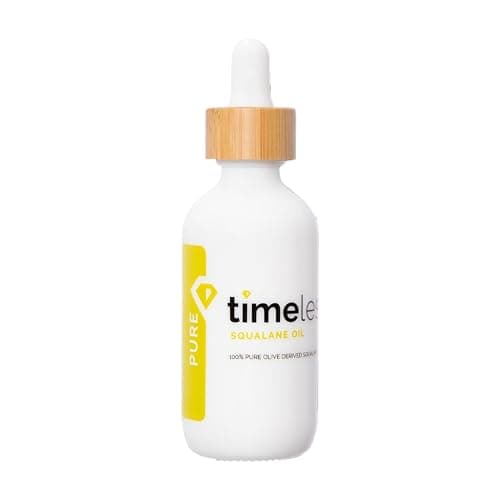
Timeless Skin Care 100% Pure Squalane
9.0A double-size, fragrance-free 100% squalane that usually lands at the lowest cost per ounce of any pick here.
Read our review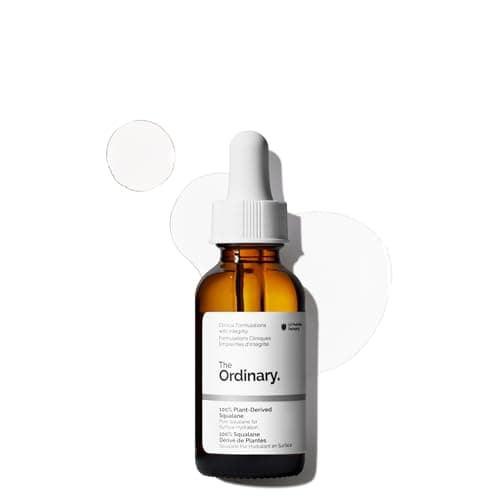
The Ordinary 100% Plant-Derived Squalane
9.2A single-ingredient, plant-derived squalane in a full 30 ml bottle at a low price, stocked almost everywhere — the default pick for most people.
Read our review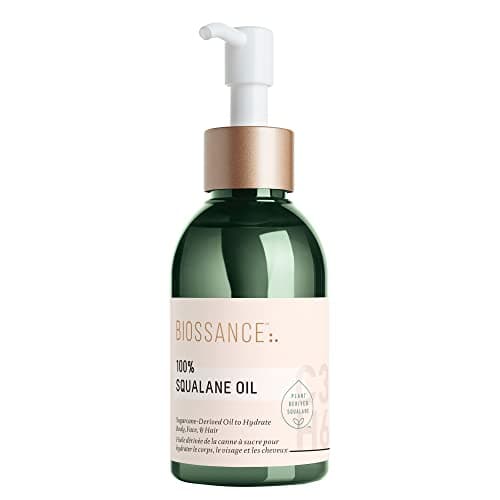
Biossance 100% Squalane Oil
8.8A sustainably sourced, sugarcane-derived squalane in a larger bottle — the polished pick if you want brand pedigree and a bigger size.
Read our reviewThe summary, so nobody leaves this page misinformed: squalane is a good, light, inexpensive conditioner for hair and a reasonable emollient for a dry scalp, and it will help you keep length by reducing breakage. It does not grow hair, it does not thicken hair, and it does not stop hair loss. If hair loss is the actual question, the answer involves a dermatologist and possibly minoxidil, not an oil.
Sources
Frequently asked questions
Does squalane help hair growth?
No. Hair growth happens inside the follicle, driven by hormones, genetics, nutrition and health, and a topical emollient on the hair shaft and scalp surface does not reach that process. There is no evidence squalane increases growth rate or reverses thinning. It does reduce breakage, which helps you keep the length you grow — a real but much smaller benefit.
Can squalane make hair look thicker or fuller?
Indirectly and modestly. By smoothing the cuticle and reducing friction it cuts mechanical breakage, so over months fewer hairs snap mid-length and the ends look less wispy. It also adds shine, which reads as healthier hair. None of that is new growth or a change in hair diameter.
Does squalane help with hair loss?
No, and it should not be used in place of finding out why hair is being lost. The options with real evidence are minoxidil over the counter, prescription treatments a doctor would discuss with you, and treating an underlying cause such as thyroid disease, iron deficiency, a medication or a scalp condition. If hair is shedding in quantity or coming out in patches, see a dermatologist rather than starting an oil.
Is squalane good for a dry or itchy scalp?
For simple dryness, yes — the scalp is skin, and a light emollient softens it and reduces flaking the way it would anywhere else. For persistent itching, soreness or scale that keeps returning, that is a scalp condition rather than dryness, and it needs diagnosing. Squalane is a comfort measure, not a treatment.
Is squalane better than castor oil for hair?
For most people's hair, yes — on weight rather than on potency. Castor oil is thick, sticky and slow to wash out, and the lash and hair growth claims attached to it are not supported. Squalane is light, absorbs quickly and does not build up, which makes it usable on fine hair and oily scalps where castor oil is not. Neither grows hair.
How often should I use squalane on my hair?
A drop or two on damp mid-lengths and ends after every wash is reasonable, and a more generous pre-wash treatment once a week suits coarse or bleached hair. On the scalp, how often depends on how oily it runs — some people do it nightly, others only before washing. More is not better; too much oil just means greasy hair until the next wash.
What about hemisqualane for hair growth?
Same answer: no effect on growth. Hemisqualane (C13-15 alkane) is a shorter-chain, volatile relative of squalane that spreads and then largely evaporates, so it conditions without residue. That makes it a nice feel in a hair product and a common silicone replacement. It is a texture choice, not a growth ingredient.
Keep reading
Want the conditioning benefit, honestly stated?
Our squalane oil picks ranked for hair use — bottle size matters more here than anywhere else, because lengths use more than a face does.
See the best squalane oils for hair