Squalane vs Marula Oil
Marula is the luxe, antioxidant-rich glow oil; squalane is the lighter, lower-cost, lower-comedogenic everyday pick. Here's the fair comparison and a verdict.
We may earn a commission if you buy through our links, at no extra cost to you. Prices are pulled live from Amazon and can change. How this works.
Marula oil and squalane both market themselves as lightweight, do-it-all facial oils, which is why shoppers so often line them up against each other. Marula is an oleic-acid-rich, antioxidant-heavy oil with a slightly more nourishing, 'luxe' feel and a premium reputation. Squalane is a single, ultra-light molecule that's usually cheaper, sits very low on the comedogenic scale, and is lighter still. Both are lovely oils; the differences are real but small.
The quick answer: if you want an indulgent, antioxidant-rich oil with a fuller, glow-giving feel — and you don't mind paying a premium — marula delivers. If you want the lightest finish, the lower price, the lowest comedogenic risk, and one oil that suits nearly everyone, squalane is the smarter default. They can also be layered, so you're not locked into one.
Squalane vs marula oil at a glance
What each oil actually is
Squalane starts as squalene, a lipid your own skin makes, then gets hydrogenated into a stable, saturated form. The result is a single, refined, fragrance-free ingredient with emollient and antioxidant properties and nothing else on the label — which is a big part of why it's so predictable across skin types. There's more in what is squalane?.
Marula oil is cold-pressed from the kernels of the marula tree fruit, native to southern Africa. It's a botanical blend dominated by oleic acid (a monounsaturated fatty acid) and rich in antioxidants, including vitamins E and C. That oleic-heavy, antioxidant-packed makeup gives marula its cushioned, nourishing feel and its 'luxe glow' reputation — while keeping it lighter than heavy oils like coconut or castor.
What marula oil does well
Marula's appeal is that it feels nourishing without feeling heavy. Its antioxidant content (vitamins E and C) is why it's so often associated with a healthy-looking glow and with supporting the appearance of aging skin, and its fatty acids help it comfort and soften. It's frequently described as good for the skin barrier, giving a plumped, dewy finish that dry and normal skin especially enjoy. For anyone who wants an oil that feels a little more indulgent than bare squalane, marula scratches that itch.
The honest caveats: marula is oleic-rich, which gives it that fuller feel but can make it sit a touch heavier than squalane on very oily or congestion-prone skin, so patch-testing is wise if you break out easily. It also tends to be positioned as a premium product, so you're often paying more for the experience and branding. And like any oil, marula comforts and supports skin rather than treating a medical condition.
Where squalane pulls ahead
Squalane wins on lightness, price, and low-risk versatility. It's even lighter than marula, absorbing almost instantly to a near-matte finish with no scent, which makes it easy to layer under makeup and sunscreen and comfortable on oily skin. It's commonly rated 0–1 on the comedogenic scale — very low — so it's unlikely to clog pores; is squalane comedogenic? explains what that number means. Marula tends to sit low too, but squalane is the marginally safer bet for clog-prone skin.
On value, squalane usually costs less for what you get, especially the single-ingredient budget and best-per-ounce bottles, and it's extremely shelf-stable at room temperature. Marula can absolutely be worth its premium if you love the feel — but you're paying for a richer experience, not a more effective molecule.
Buyer-first verdict: marula is a lovely, antioxidant-rich luxe oil, and if you enjoy its fuller glow it's money well spent. But for a lighter finish, a lower price, and lower comedogenic risk, squalane is the more practical everyday pick for the widest range of skin.
Which should you choose?
- Choose squalane if you want the lightest, most versatile, lower-cost oil, have oily or acne-prone skin, or want one fragrance-free option that suits nearly everyone.
- Choose marula if you want a more nourishing, antioxidant-rich oil with a luxe glow and don't mind paying a premium for the feel.
- Use both if you like variety — a lightweight squalane for daytime and a richer marula at night, or squalane in summer and marula in winter, works nicely.
Our squalane picks
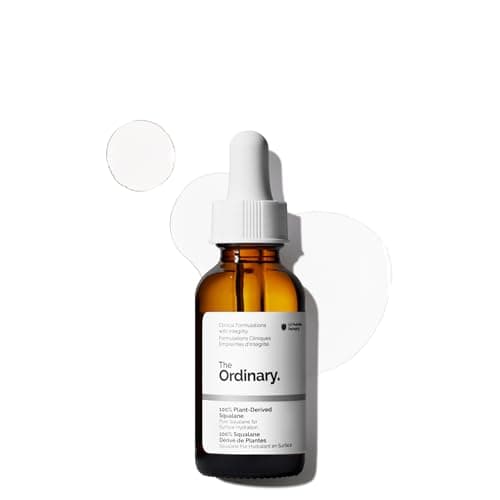
The Ordinary 100% Plant-Derived Squalane
9.2A single-ingredient, plant-derived squalane in a full 30 ml bottle at a low price, stocked almost everywhere — the default pick for most people.
Read our review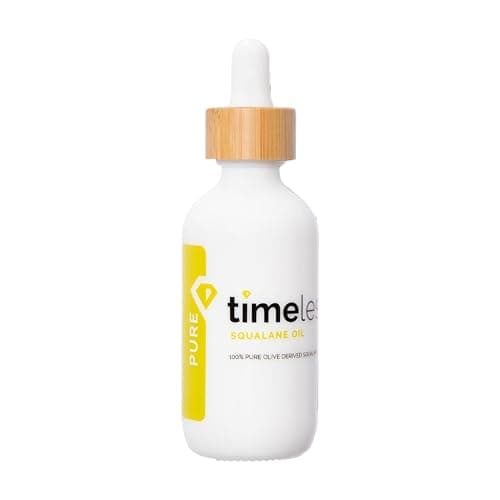
Timeless Skin Care 100% Pure Squalane
9.0A double-size, fragrance-free 100% squalane that usually lands at the lowest cost per ounce of any pick here.
Read our reviewHow to layer them
Both are oils and belong near the end of your routine, after water-based serums and before or mixed into a moisturizer. If you use both, apply the lighter squalane first and press richer marula over drier areas, or alternate them across the week. On dry days, either oil can seal a hydrating serum to keep water where you want it. See how to use squalane oil for the full order. Patch-test any new oil, and check with a doctor or dermatologist if you're managing a skin condition.
Sources
Frequently asked questions
Is squalane or marula oil better?
Both are good lightweight oils. Marula feels a little richer, carries antioxidants like vitamins E and C, and has a luxe reputation, but it's usually pricier. Squalane is lighter, typically cheaper, fragrance-free, and sits lower on the comedogenic scale, making it the more versatile everyday pick. Many people enjoy both.
Is marula oil good for oily or acne-prone skin?
Marula sits low on the comedogenic scale for most people and is often called suitable for many skin types, but it's oleic-rich and feels fuller than squalane, so very oily or congestion-prone skin should patch-test it. Squalane, commonly rated 0 to 1, is the lower-risk option for breakout-prone skin.
Is marula oil worth the higher price?
If you love its nourishing, antioxidant-rich feel and glow, marula can be worth the premium. But you're paying for the experience and branding, not a more effective molecule. Squalane delivers light, reliable hydration for less, which is why it's our everyday value pick.
Can you use squalane and marula oil together?
Yes. A common approach is lightweight squalane by day and richer marula at night, or squalane across the whole face with marula on drier areas. Apply both near the end of your routine, after water-based products, and patch-test first.
Keep reading
Ready to pick a squalane oil?
See our ranked squalane oil picks, each with a live price, cost per ounce, and who it suits.
See the best squalane oils