Squalane vs Avocado Oil
Avocado oil is one of the richest facial oils on the shelf. Squalane is one of the lightest. Your skin type decides this one.
We may earn a commission if you buy through our links, at no extra cost to you. Prices are pulled live from Amazon and can change. How this works.
Avocado oil is the heavyweight of the plant-oil aisle, and unusually well stocked with things skin likes. Healthline lists beta carotene, protein, lecithin, fatty acids, and vitamins A, D, and E among its components, and credits it with moisturizing and soothing dry, chapped, or damaged skin. It's a legitimately nourishing oil — the question is whether your face wants something that rich.
Squalane is the other end of the spectrum: one saturated molecule, no vitamins, no antioxidants, no color, no scent. It doesn't nourish in the botanical sense; it softens and seals, weightlessly, with a 0–1 comedogenic reputation. Choosing between them is mostly a question of skin type and season.
Squalane vs avocado oil at a glance
What avocado oil is good at
Comfort on genuinely dry skin. A rich oil with a broad fatty-acid profile and fat-soluble vitamins is a satisfying thing to put on skin that's tight, flaking, or weather-beaten, and avocado oil has enough substance to feel like a treatment rather than a step. Sources also note anti-inflammatory effects that may help calm redness, and it's frequently recommended for chapped or damaged skin and as an addition to body care.
It shines as an occasional overnight treatment, a body oil, or a winter addition — contexts where its weight is the point and there's no makeup to layer over it. As a cuticle and elbow oil it's excellent. What it isn't, for most people, is a light daily face oil.
Where squalane pulls ahead
Everyday practicality. Squalane absorbs fast enough to be a morning step, leaves a near-matte finish rather than a sheen, doesn't pill under sunscreen, and carries essentially no congestion risk. It's also colorless and odorless, which matters more than people expect — a green-gold oil with a distinct smell is a different daily commitment from a clear one.
The trade is that squalane brings nothing extra. No vitamins, no antioxidants, no fatty acids. That's deliberate — it's why it's so predictable and so unlikely to irritate — but it does mean squalane is a *seal*, not a nutrient delivery system. If you want antioxidants, get them from a dedicated serum and use squalane over the top; see squalane vs vitamin c for how that pairing works.
Rich isn't the same as effective. A heavier oil feels like more is happening, but on oily or combination skin it mostly means congestion and shine. Match the weight of the oil to the skin, not to how dry you'd like to believe you are.
Which should you choose?
- Choose squalane if your skin is oily, combination, acne-prone, or normal, or if you want one oil that works morning and night under everything.
- Choose avocado oil if your skin is very dry or mature, you're treating the body, or you want a rich overnight treatment.
- Use both if you like: squalane as the daily face step, avocado oil for the body, cuticles, or as a weekly overnight mask.
- Avoid avocado oil on breakout-prone areas of the face — its richness is a poor match for congestion-prone skin.
How to use them
Squalane goes near the end of your routine — after water-based serums, before or mixed into moisturizer — a few drops on slightly damp skin. It's fine twice a day and fine under SPF. Avocado oil, if you use it on the face, works best as the last step at night, in small amounts, on skin that genuinely needs the richness.
If you're layering both, squalane first and avocado oil on top follows the thin-to-thick rule. For the full routine order see squalane in your skincare routine, and for the dry-skin case specifically, squalane for dry skin. Patch-test any new oil, and see a dermatologist for a persistent skin concern — oils are comfort steps, not treatments.
Our squalane picks
For the weightless daily option, these are the bottles we'd start with — each with a live price and computed cost per ounce.
Our squalane picks
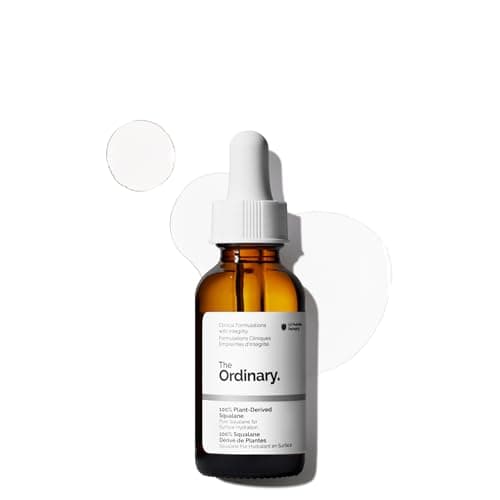
The Ordinary 100% Plant-Derived Squalane
9.2A single-ingredient, plant-derived squalane in a full 30 ml bottle at a low price, stocked almost everywhere — the default pick for most people.
Read our review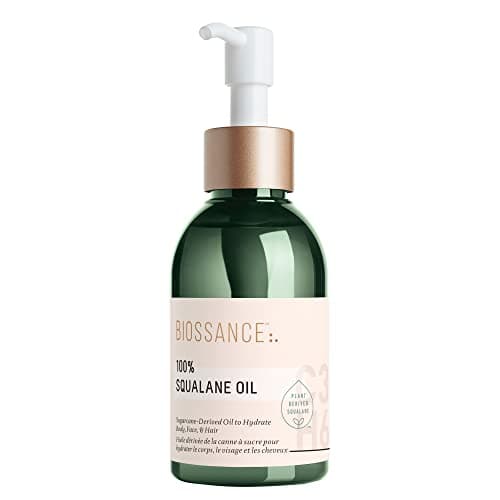
Biossance 100% Squalane Oil
8.8A sustainably sourced, sugarcane-derived squalane in a larger bottle — the polished pick if you want brand pedigree and a bigger size.
Read our reviewSources
Frequently asked questions
Is squalane or avocado oil better for your face?
For most faces, squalane — it's far lighter, absorbs quickly, is commonly rated 0 to 1 on the comedogenic scale, and layers under sunscreen and makeup. Avocado oil is richer and better suited to very dry or mature skin, the body, or an occasional overnight treatment.
Does avocado oil clog pores?
It carries more risk than squalane because it's a rich, heavier oil. Very dry skin often tolerates it well, but on combination or breakout-prone skin it's more likely to contribute to congestion. Keep it off areas that break out.
Can you mix squalane and avocado oil?
Yes. If you use both, apply squalane first and avocado oil on top, following the thin-to-thick rule. Many people simply use squalane on the face and reserve avocado oil for the body or cuticles.
Does squalane have vitamins in it?
No. Squalane is a single saturated hydrocarbon with no vitamins or antioxidants, which is exactly why it's so stable and so unlikely to irritate. If you want antioxidants, use a dedicated serum and apply squalane over the top.
Which oil is better for dry skin, squalane or avocado?
Both help, differently. Avocado oil brings more richness and fat-soluble vitamins, which very dry skin often appreciates. Squalane is lighter but seals effectively when applied over a humectant on damp skin — and it's easier to use every day.
Keep reading
Ready to pick a squalane oil?
See our ranked squalane oil picks, each with a live price, cost per ounce, and who it suits.
See the best squalane oils