Squalane vs Almond Oil
Almond oil brings a nourishing, vitamin-E cushion; squalane brings a weightless, allergen-free finish. Here's the fair comparison.
We may earn a commission if you buy through our links, at no extra cost to you. Prices are pulled live from Amazon and can change. How this works.
Sweet almond oil is one of the gentlest, most classic facial oils, and squalane is one of the lightest — so which belongs in your routine? Almond oil is a nourishing emollient with a natural dose of vitamin E that dry skin often loves. Squalane is a single, ultra-light molecule that absorbs almost instantly, carries no fragrance, and — importantly for some people — has no connection to tree-nut allergens. The right choice depends on your skin and your allergy history.
The quick answer: if your skin is dry and you have no nut allergy, almond oil is a lovely, affordable emollient. If you want the lightest finish, have oily or acne-prone skin, or want to avoid any nut-derived ingredient, squalane is the safer, more versatile pick.
Squalane vs almond oil at a glance
What almond oil does well
Almond oil's strength is gentle nourishment. It's lightweight yet emollient, absorbs easily, and carries vitamin E plus fatty acids that help soften and comfort dry skin. References note it can help relieve itching and support the skin barrier in dry, dermatitis-prone skin, and it's often used to improve the look of dryness and rough texture. For a low-cost, soothing oil on dry areas or the body, it's a solid choice.
The two honest caveats: it's a tree-nut-derived oil, so anyone with a nut allergy should avoid it or patch-test very carefully, and it's a touch richer than squalane, so very oily skin may find it more than it needs. As with any oil, it comforts and softens skin rather than treating a medical condition.
Where squalane pulls ahead
Squalane wins on lightness, allergen safety, and universal tolerance. It's a single refined molecule with no fragrance and no nut connection, which makes it an easy choice for reactive skin and for anyone who avoids nut-derived ingredients. It's commonly rated 0–1 on the comedogenic scale, so it suits oily and acne-prone skin that a richer oil might overwhelm; is squalane comedogenic? explains that rating.
It also mimics squalene, a lipid your own skin produces, which is part of why it sits so comfortably even on stressed skin — the background is in what is squalane?. For the lightest possible finish under makeup and sunscreen, squalane is the more effortless oil.
Buyer-first verdict: almond oil is a gentle, nourishing pick for dry skin with no nut allergy. For a lighter finish, oily or acne-prone skin, or anyone avoiding nut-derived ingredients, squalane is the safer, more versatile choice.
Which should you choose?
- Choose squalane if you want the lightest finish, have oily or acne-prone skin, avoid nut-derived ingredients, or want one oil for every skin type.
- Choose almond oil if your skin is dry, you have no nut allergy, and you like a slightly more nourishing, vitamin-E-rich emollient — especially on the body.
- Allergy note: if you have a tree-nut allergy, skip almond oil and use squalane, which has no nut connection.
Our squalane picks
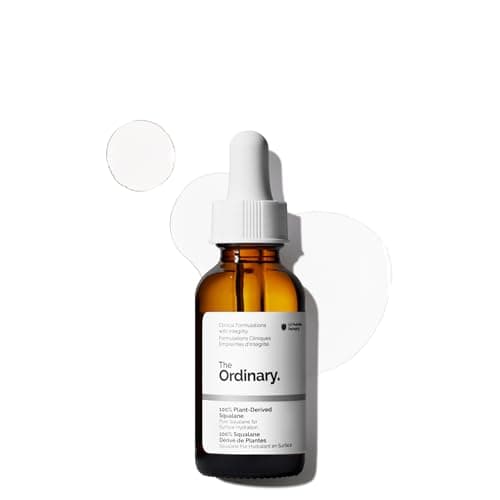
The Ordinary 100% Plant-Derived Squalane
9.2A single-ingredient, plant-derived squalane in a full 30 ml bottle at a low price, stocked almost everywhere — the default pick for most people.
Read our review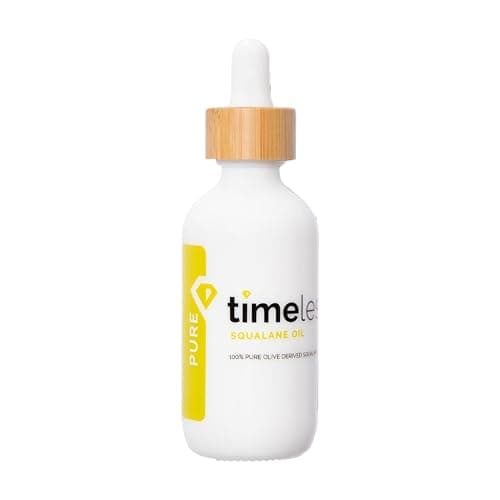
Timeless Skin Care 100% Pure Squalane
9.0A double-size, fragrance-free 100% squalane that usually lands at the lowest cost per ounce of any pick here.
Read our reviewHow to use them
Both are oils that go near the end of your routine, after water-based serums and before or mixed into moisturizer. On very dry skin, either can be pressed over a hydrating serum to seal in water. Our squalane for dry skin and how to use squalane oil guides cover the order. Patch-test any new oil — especially almond oil if you're unsure about nut sensitivity — and check with a doctor if you're managing a skin condition.
Sources
Frequently asked questions
Is almond oil or squalane better for skin?
It depends on your skin and allergies. Almond oil is a nourishing, vitamin-E-rich emollient that dry skin often prefers, but it's tree-nut derived. Squalane is lighter, fragrance-free, nut-allergen-free, and commonly rated 0 to 1 on the comedogenic scale, making it the more versatile and lower-risk pick for most people.
Is almond oil comedogenic?
Sweet almond oil is generally considered fairly low on the comedogenic scale and suits most skin types, though it's richer than squalane and may be more than very oily skin needs. Squalane, at a commonly cited 0 to 1, is the lower-risk choice for clog-prone skin.
Can I use squalane if I have a nut allergy?
Yes. Squalane is typically derived from sugarcane or olives, not nuts, so it has no tree-nut connection. If you have a nut allergy, squalane is a safer choice than almond oil, though you should still patch-test any new product.
Can I use squalane and almond oil together?
Yes, if you tolerate both. Apply the lighter squalane where you want a weightless finish and richer almond oil on drier areas, or alternate them. Both go near the end of your routine. Patch-test almond oil first if you're unsure about nut sensitivity.
Keep reading
Ready to pick a squalane oil?
See our ranked squalane oil picks, each with a live price, cost per ounce, and who it suits.
See the best squalane oils