Biossance Squalane + Vitamin C Rose Oil: 4 Alternatives
Seven ingredients, squalane first, an oil-soluble vitamin C second and no water at all - that is what you are replacing. Four alternatives, ranked on which half of it they actually keep.
We may earn a commission if you buy through our links, at no extra cost to you. Prices are pulled live from Amazon and can change. How this works.
The alternative is the Biossance Squalane + 10% Vitamin C Dark Spot Serum, from the same brand, for anyone who wants Biossance's squalane-plus-vitamin-C idea at a lower price and without the rose. The budget pick is The Ordinary 100% Plant-Derived Squalane, which has no vitamin C in it at all and costs a fraction of anything else here - it is on this page because buying the squalane and choosing your own vitamin C separately is a genuinely sensible route, and we will explain why below.
First, what the original actually is, because this is the part most "dupe" pages skip. Biossance publishes the ingredient list, and it is seven items long: squalane, tetrahexyldecyl ascorbate, caprylic/capric triglyceride, mastic gum, Damascus rose flower extract, geraniol, citronellol. Three things follow from that. Squalane is first, so this is a squalane product carrying a vitamin C rather than a serum with squalane added to it. There is no water in the bottle, which matters because vitamin C is famously unstable in water. And the vitamin C is tetrahexyldecyl ascorbate - an oil-soluble derivative, which is the only kind that can dissolve in a waterless oil in the first place. The rose is an extract rather than an essential oil, and geraniol and citronellol are why it smells of roses.
Now the finding, and it genuinely surprised us. The obvious same-brand alternative is not a cheaper version of the same thing. The Dark Spot Serum's published list runs to sixteen ingredients, opens with water and glycerin, and uses 3-O-ethyl ascorbic acid at a declared 10% - a water-soluble vitamin C - with squalane fourth. So moving from one to the other changes three things at once: the vitamin C derivative, the base it sits in, and where the product goes in your routine. The rose oil is an oil, so it goes on last. The Dark Spot Serum is a water-based serum, so it goes on before your moisturizer. Nobody searching for a dupe is told this, and it is the single most useful thing on this page.
One honest gap before the ranking. Nothing we cover reproduces the rose oil exactly - a seven-ingredient anhydrous squalane oil carrying an oil-soluble vitamin C is a specific piece of formulation, and the registry has one of them. If the reason you are here is the scent, no alternative on this page smells of roses and we are not going to pretend otherwise; the honest advice is to wait for a restock. If the reason is price, read on, because every option below costs less. All prices on this page are pulled live and stamped with the date they were pulled, so the table is the authority and this prose only ranks.
How we picked: we don't run a lab and we don't claim to. We read every ingredient list, compiled the published specs, and computed the cost per ounce below. See our full method.
Quick picks
Our ranked shortlist. Tap a row for the full review, or the price to buy.
| # | Product | Best for | Score | Price |
|---|---|---|---|---|
| 1 | 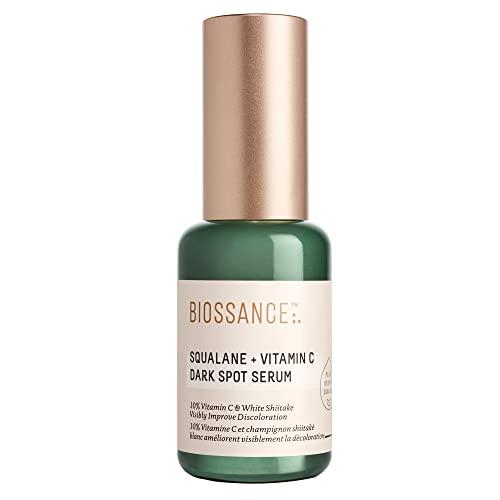 Biossance Squalane + 10% Vitamin C Dark Spot Serum Biossance's other squalane vitamin C, and a genuinely different product from its rose oil: a fragrance-free, water-based serum built on a declared 10% 3-O-ethyl ascorbic acid with squalane 4th of 16, aimed at uneven tone rather than at glow. | Best for dark spots and uneven tone | 8.2 | |
| 2 | 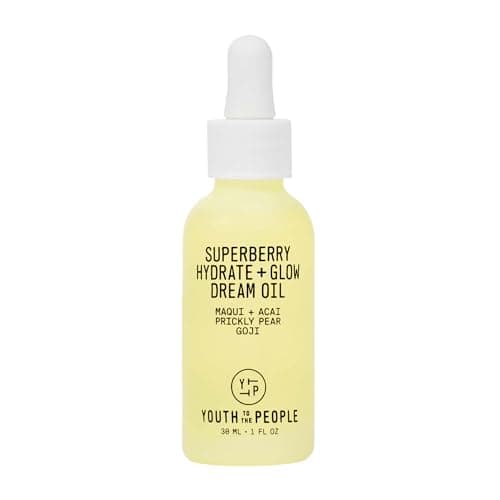 Youth To The People Superberry Dream Oil A squalane-and-omega glow oil with a hefty antioxidant load — reach for it when dull, tired skin needs reviving. | Best antioxidant glow oil | 8.2 | |
| 3 | 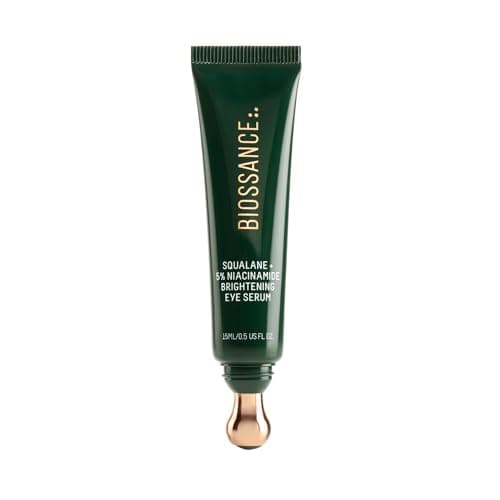 Biossance Squalane + 5% Niacinamide Brightening Eye Serum The one pick here with actives aimed squarely at dark circles — niacinamide, caffeine and stable vitamin C — but part of the brightening you see is optical, and the label does not spell that out. | Best for dark circles | 7.5 | |
| 4 | 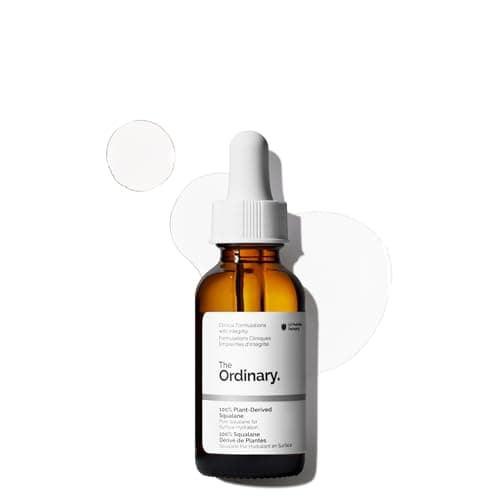 The Ordinary 100% Plant-Derived Squalane A single-ingredient, plant-derived squalane in a full 30 ml bottle at a low price, stocked almost everywhere — the default pick for most people. | Best overall value | 9.2 |
Biossance Squalane + 10% Vitamin C Dark Spot Serum
8.2Biossance's other squalane vitamin C, and a genuinely different product from its rose oil: a fragrance-free, water-based serum built on a declared 10% 3-O-ethyl ascorbic acid with squalane 4th of 16, aimed at uneven tone rather than at glow.
- Purity
- Squalane 4th of 16 ingredients
- Source
- Water-based serum, 10% water-soluble vitamin C, squalane 4th
- Size
- 1 fl oz (30 ml)
- Cost / oz
- $51.00/oz
- Best for
- Best for dark spots and uneven tone
What we like
- A declared 10% vitamin C — the only percentage figure published for any vitamin C product we cover
- No fragrance, parfum or essential oil on the list, unlike the brand's rose oil
- Squalane 4th of 16 and the only lipid on the list, so it layers UNDER a cream rather than over one
- Licorice root and shiitake mycelium extracts are the two ingredients behind the tone claim, and both are named on the INCI
Keep in mind
- 3-O-ethyl ascorbic acid is water-soluble, so this is not a like-for-like swap for an oil-soluble vitamin C in an anhydrous base
- Sixteen ingredients against the rose oil's seven, with water first and a preservative system to match
- A premium price for 30 ml, and one of the highest costs per ounce of anything we cover
- Dark spots respond to daily sunscreen and to time more than to any serum, and nothing here substitutes for either
Skip it if you wanted an oil rather than a serum, if the rose scent was the reason you were buying, or if you are not going to wear sunscreen daily — vitamin C on unprotected skin is money spent twice.
$68.0025% off
Price as of November 23, 2026. Prices set by Amazon and change.
#ad · How we make money
Youth To The People Superberry Dream Oil
8.2A squalane-and-omega glow oil with a hefty antioxidant load — reach for it when dull, tired skin needs reviving.
- Purity
- Squalane-based antioxidant glow oil
- Source
- Squalane + superberry antioxidants + omega oils
- Size
- 1 fl oz (30 ml)
- Cost / oz
- $29.40/oz
- Best for
- Best antioxidant glow oil
What we like
- Squalane plus vitamin C and antioxidant-rich berry extracts
- Ultra-lightweight, absorbs fast
- Vegan formula
Keep in mind
- Premium price for a 1 oz glow oil
- Lightly scented
Skip it if you want a single-ingredient squalane or a fragrance-free formula.
$49.0040% off
Price as of November 23, 2026. Prices set by Amazon and change.
#ad · How we make money
Biossance Squalane + 5% Niacinamide Brightening Eye Serum
7.5The one pick here with actives aimed squarely at dark circles — niacinamide, caffeine and stable vitamin C — but part of the brightening you see is optical, and the label does not spell that out.
- Purity
- Squalane 3rd of 22 ingredients
- Source
- Sugarcane-derived squalane (stated by the brand)
- Size
- 0.5 fl oz (15 ml)
- Cost / oz
- $66.00/oz
- Best for
- Best for dark circles
What we like
- Squalane 3rd of 22, right behind the 5% niacinamide
- Caffeine plus oil-soluble vitamin C — a sensible, evidence-backed stack for dullness
- Fragrance-free and essential-oil-free on the published INCI
- A serum texture that layers under concealer more easily than a rich cream
Keep in mind
- Contains titanium dioxide, tin oxide and synthetic fluorphlogopite — some of the instant brightening is light-reflecting pigment, not a change in your skin
- Very high cost per ounce for a 15 ml bottle
- Niacinamide works on pigment; it does nothing for circles caused by shadowing or visible veins
- Overlaps heavily with a niacinamide serum you may already own
Skip it if your dark circles come from bone structure or visible blood vessels rather than pigment — no topical, this one included, will change those.
$44.0025% off
Price as of November 23, 2026. Prices set by Amazon and change.
#ad · How we make money
The Ordinary 100% Plant-Derived Squalane
9.2A single-ingredient, plant-derived squalane in a full 30 ml bottle at a low price, stocked almost everywhere — the default pick for most people.
- Purity
- 100% squalane
- Source
- Plant-derived (sugarcane)
- Size
- 1 fl oz (30 ml)
- Cost / oz
- $10.40/oz
- Best for
- Best overall value
What we like
- 100% squalane, no fillers or fragrance
- One of the lowest entry prices of any name-brand squalane
- Sugarcane-derived and vegan
- Widely stocked, easy to repurchase
Keep in mind
- Small 30 ml bottle
- Simple dropper rather than an airless pump
Skip it only if you want a large-format bottle or airless packaging for oxidative stability.
Price as of November 23, 2026. Prices set by Amazon and change.
#ad · How we make money
Cost per ounce, compared
Computed from the current Amazon price and the listed size. Prices as of November 23, 2026 and set by Amazon.
Why the same brand's Dark Spot Serum is the top pick, with its differences stated plainly. It keeps the things that made the original worth buying: Biossance's sugarcane squalane, high on the list at 4th of 16; a real vitamin C at a published percentage, which almost nobody discloses; and a short, fragrance-free formula from a brand that publishes its ingredient lists. It also costs meaningfully less, and it is aimed at the specific job most people buy a vitamin C for, which is uneven tone rather than glow - licorice root extract and shiitake mycelium extract are both on the list, and they are the two ingredients behind that claim. The honest cons: 3-O-ethyl ascorbic acid is water-soluble, so this is not a like-for-like swap; sixteen ingredients with water first is a longer list and a preservative system the original did not need; the cost per ounce is still high for 30 ml; and no serum outperforms daily sunscreen on dark spots, which the page would be dishonest not to say.
Why the Youth To The People oil is second, and who should buy it instead. If what you want is the format rather than the brand - a lightweight oil you press on at the end of a routine, with antioxidants in it, that leaves skin looking lit rather than matte - the Superberry Dream Oil is the closest thing here and it costs less again. It is a squalane and omega-oil blend with vitamin C and berry antioxidants, and it does the glow half of the original's job well. The trade is specificity: the brand does not publish which vitamin C derivative it uses or at what percentage, so you are buying an antioxidant oil rather than a vitamin C treatment with a number attached. It is also lightly scented, so it is not the pick if fragrance was your reason for leaving.
The third pick is here for one precise reason: it is the only other product we cover that carries the same oil-soluble vitamin C as the original. Biossance's Squalane + 5% Niacinamide Eye Serum lists tetrahexyldecyl ascorbate alongside 5% niacinamide and caffeine, with squalane 3rd of 22 and no fragrance on the list. If the specific thing you liked about the rose oil was THD ascorbate in a squalane base, this is where to find it - and it is the better buy if your actual concern is the eye area. Two things to know before you do: it contains titanium dioxide, tin oxide and synthetic fluorphlogopite, so some of the immediate brightening is light-reflecting mineral rather than a change in your skin, and a 15 ml rollerball at this price is the highest cost per ounce on the page by a wide margin.
Why a bottle of plain squalane is the budget pick on a page about vitamin C. Because the original is, structurally, two things in one bottle: a squalane base and a vitamin C dissolved in it. You can buy those separately for a fraction of the money, and that is the route our vitamin C with squalane ranking already recommends for people who want control. A bottle of 100% squalane costs about a tenth of anything else here and lasts months; pair it with whichever vitamin C your skin already tolerates, applied first and the squalane pressed over the top. What you lose is the convenience and the formulation work - a vitamin C that is stable in the bottle it came in is not a trivial thing, and mixing your own means your vitamin C is only as stable as the product you bought it in. What you gain is that you can change either half without re-buying both.
A note on what any of this can do, because dark spots are where the gap between marketing and evidence is widest. Vitamin C is a well-studied antioxidant with reasonable evidence for tone and for photoprotection alongside sunscreen - not instead of it. Pigment changes measured in weeks to months, not days, and the single biggest variable is whether you wear sunscreen every morning, because ultraviolet exposure re-darkens what any serum lightens. If your spots are raised, changing shape, or new and unexplained, that is a dermatologist's question and not a buying one. Our guides on whether squalane lightens skin and pairing squalane with vitamin C cover the layering and the limits in more detail, and squalane and niacinamide covers the third pick's other active.
Frequently asked questions
What is the best alternative to the Biossance Squalane + Vitamin C Rose Oil?
The Biossance Squalane + 10% Vitamin C Dark Spot Serum, from the same brand. It is cheaper, it is fragrance-free, it keeps sugarcane squalane high on the list at 4th of 16, and it publishes its vitamin C percentage. Be clear that it is a different product rather than a cheaper version: water-based rather than anhydrous, with a water-soluble vitamin C instead of an oil-soluble one.
Is there a dupe for the Biossance rose oil?
Not an exact one, and we would rather say so. The original is a seven-ingredient waterless squalane oil carrying tetrahexyldecyl ascorbate and a rose extract, and nothing else we cover combines all three. You can match the brand and the squalane position, or the oil format and the glow, or the specific vitamin C derivative - but not all of it in one bottle, and nothing here smells of roses.
What vitamin C does the Biossance rose oil use?
Tetrahexyldecyl ascorbate, which Biossance states on its own product page. It is an oil-soluble vitamin C derivative, which is what lets it dissolve in a bottle with no water in it - and it is the reason the formula can be seven ingredients long. The brand's Dark Spot Serum uses a different form, 3-O-ethyl ascorbic acid, which is water-soluble.
Which is better, the rose oil or the Dark Spot Serum?
They do different jobs. The rose oil is an anhydrous squalane oil for glow, applied last in a routine, with the rose scent as part of what you are buying. The Dark Spot Serum is a fragrance-free water-based serum aimed at uneven tone, applied under your moisturizer, with a declared 10% vitamin C. If you want tone, the serum. If you want the oil-and-glow experience, the original.
Is there a cheaper squalane vitamin C option?
Several, and the cheapest route is not a finished product at all: buy a bottle of 100% squalane for around a tenth of the price and pair it with whatever vitamin C you already use, squalane pressed over the top. Of the finished products we cover, the Youth To The People Superberry Dream Oil is the cheapest squalane-based antioxidant oil, though it does not publish its vitamin C derivative or percentage.
Does the rose oil contain fragrance?
There is no "fragrance" or "parfum" entry on its published list, but it contains Damascus rose flower extract plus geraniol and citronellol, which are declared fragrance allergens and are why the oil smells of roses. If you are screening strictly for fragrance, the Dark Spot Serum and the eye serum on this page both carry none, and our [fragrance-free picks](/best-fragrance-free-squalane) page screens the whole registry on that one line.
Can you layer a vitamin C serum with squalane oil?
Yes, and it is the standard way to use both. Water-based first, oil second: the vitamin C serum goes onto clean, slightly damp skin, then plain squalane over the top once it has absorbed. Doing it the other way round means the serum has to get through an oil film. Our [squalane and vitamin C](/squalane-and-vitamin-c) guide covers the order and the common mistakes.
Will a vitamin C serum fade dark spots?
It can help with tone over weeks to months, and the evidence for vitamin C as an antioxidant that works alongside sunscreen is reasonable. What it will not do is work without the sunscreen - ultraviolet exposure re-darkens pigment faster than any serum lightens it, so a vitamin C without daily SPF is money spent twice. New, raised or changing spots are a reason to see a dermatologist rather than to buy a serum.
Sources
- Biossance — Squalane + Vitamin C Rose Oil (brand ingredient list)
- Biossance — Squalane + Vitamin C Dark Spot Serum (brand ingredient list)
- SkinCarisma — Biossance Squalane + 10% Vitamin C Dark Spot Serum, published ingredient list
- Healthline — 11 Vitamin C Serum Benefits and How to Use
- Cleveland Clinic — Squalane: Benefits and How To Use It
Keep reading
Buying the two halves separately?
Our vitamin C with squalane ranking covers which derivative to look for, and how to layer a serum and an oil in the right order.
See the vitamin C picks