Squalane for Stretch Marks
We sell squalane, and we're still going to tell you it won't remove stretch marks. Here's what the evidence actually says.
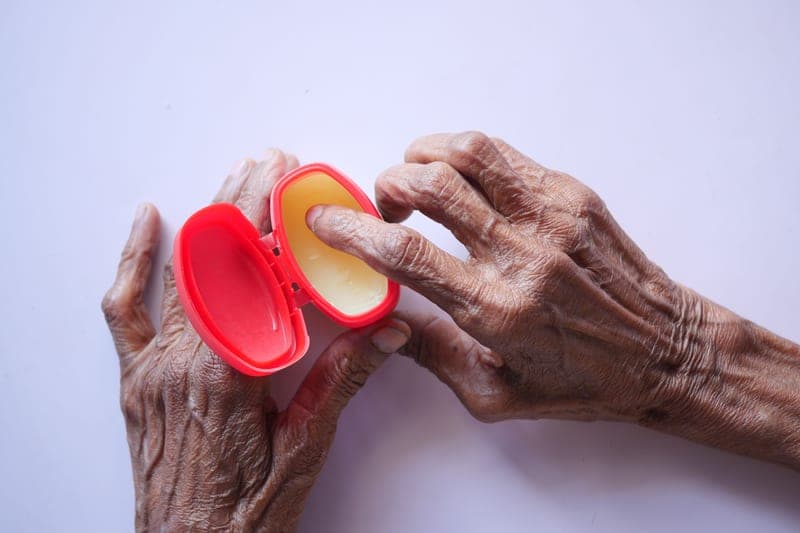
The short answer, up front: there is no good evidence that squalane prevents or removes stretch marks. The American Academy of Dermatology is direct about the wider category — the idea that you can prevent or treat stretch marks by rubbing creams, oils, or lotions on your skin is not supported by strong evidence, and studies have found that almond oil, cocoa butter, olive oil, and vitamin E did not prevent them.
That's an uncomfortable thing for a site that sells squalane to publish, and it's exactly why we're publishing it. Squalane is a genuinely good moisturizer, and moisturizing skin that's stretching quickly is a reasonable, comfortable thing to do. It just isn't the same as treating a stretch mark, and we're not going to blur the two.
What a stretch mark actually is
Stretch marks — striae — form in the dermis, the layer beneath the surface, when skin is stretched rapidly enough that the collagen and elastin structure there tears and reorganizes. Pregnancy, growth spurts, rapid weight change, and some medications and conditions all cause it. What you see on the surface is the visible consequence of a structural change underneath.
That location is the whole problem for topical oils. An emollient works on the top layer: it softens the surface, reduces water loss, and improves how skin feels and looks day to day. It doesn't reach the dermis, and it has no mechanism for rebuilding the collagen structure that tore. This is the same honest limit we set out on squalane for aging skin — surface hydration is real, structural change is a different category.
What the evidence supports
- Prevention: weak overall. AAD notes that almond oil, cocoa butter, olive oil, and vitamin E have not been shown to prevent stretch marks, though it flags that products containing centella or hyaluronic acid have shown some promise in research.
- Early treatment: topical retinoids such as tretinoin may improve the appearance of stretch marks less than a few months old, by helping rebuild collagen. Retinoids are not suitable during pregnancy — that's a conversation for your doctor.
- Established marks: procedural options — laser, microneedling, microdermabrasion — are what dermatologists reach for, with realistic rather than dramatic expectations.
- Time: most stretch marks fade from red or purple to a paler, less noticeable silver on their own. That fading is the single most reliable improvement most people get.
- Squalane specifically: no evidence for prevention or treatment. It moisturizes, which is worth something, but that is the claim.
If a product promises to erase stretch marks, that promise is ahead of the evidence — regardless of what's in it. Cleveland Clinic's write-up on cocoa butter makes the same point about the most famous folk remedy in this category.
So is there any point using squalane?
Yes, provided you're clear about why. Skin that's stretching — during pregnancy, a growth spurt, or a period of weight change — is often itchy, tight, and dry, and that discomfort is genuinely worth addressing. A lightweight, fragrance-free emollient makes stretching skin more comfortable, and comfort is a legitimate goal on its own.
Squalane suits that use well: it's a single ingredient with nothing to react to, it absorbs quickly enough to be practical over large areas like the belly, hips, and thighs, and it's commonly rated 0–1 on the comedogenic scale, so it won't congest the back or chest. It's also inert and widely regarded as low-risk in pregnancy, though we'd still say what we say on is squalane safe during pregnancy?: confirm anything you use with your own provider.
For covering large areas, cost per ounce matters more than brand, which is the argument made on best squalane oil for body. Apply to slightly damp skin after a shower, when it will hold the most moisture in.
What to do instead if the marks bother you
Talk to a dermatologist, particularly if the marks are new. Timing genuinely matters here — the window where a topical retinoid may help is early, while marks are still red or purple, and that window closes. A dermatologist can also tell you whether a procedural option is worth considering for older marks, and set realistic expectations about how much change to expect.
And if stretch marks have appeared suddenly without an obvious cause like pregnancy or weight change, that's worth mentioning to a doctor — occasionally it points to something that should be looked into. Squalane, meanwhile, is a comfort step. Use it for that, and it won't disappoint you.
Sources
Frequently asked questions
Does squalane help with stretch marks?
There is no good evidence that squalane prevents or removes stretch marks. Dermatology sources are clear that creams and oils generally have not been shown to prevent them. Squalane does moisturize skin that's stretching, which helps with itching and tightness, but that's a comfort benefit rather than a treatment.
What actually works for stretch marks?
Early on, topical retinoids such as tretinoin may improve the appearance of marks less than a few months old — but they aren't suitable in pregnancy. For established marks, dermatologists use procedural options like laser and microneedling. Most marks also fade on their own over time.
Can you use squalane oil during pregnancy for stretch marks?
Squalane is an inert, fragrance-free emollient generally regarded as low risk, and it can make stretching skin more comfortable. It won't prevent stretch marks. Confirm anything you use during pregnancy with your own healthcare provider.
Is squalane better than cocoa butter or bio oil for stretch marks?
None of them has strong evidence for preventing or removing stretch marks — studies specifically found cocoa butter, almond oil, olive oil, and vitamin E did not prevent them. Squalane is a lighter, fragrance-free option for comfort, which is a different claim.
How should I apply squalane to stretch-mark-prone areas?
Smooth a few drops onto slightly damp skin after showering, focusing on areas that feel tight or itchy such as the belly, hips, and thighs. Because you'll use more over large areas, a large-format bottle with a low cost per ounce is the sensible buy.
Keep reading
Read how we make our picks
We publish our method, say when something doesn't work, and never invent a rating. Here's exactly how we choose.
See our method